

This post may contain affiliate links. If you use these links to buy something we may earn a commission at no extra cost to you. Thank you for your support!
A client lands on your profile, scans it for 20 seconds, and asks one question: “Can this person solve my problem?” A freelance portfolio without experience answers that question with proof of skill, not a long explanation about why you deserve a chance.
That distinction changes everything. You do not need to wait for someone to hire you before showing what you can do. You need to create relevant evidence, present it professionally, and make it easy for the right client to imagine working with you.
What a Portfolio Really Needs to Do
A portfolio is not a scrapbook of every assignment, certificate, or Canva graphic you have ever made. It is a sales asset. Its job is to reduce a potential client’s uncertainty.
For a beginner, the strongest portfolio usually has three ingredients: a clear service, samples that resemble real client work, and context that explains your decisions. A beautiful design with no explanation can look nice. A sample that shows the business goal, your approach, and the expected outcome feels more valuable.
Clients are not always buying years of experience. Many are buying speed, clarity, reliability, and a specific outcome. A local gym may not care whether you have five years of social media experience if your sample content clearly speaks to its members and helps fill trial classes. A coach may care more about whether you can write an email sequence that leads naturally to a paid offer.

Choose One Service Before You Build Samples
Trying to present yourself as a writer, designer, virtual assistant, video editor, and social media manager at the same time makes your portfolio harder to trust. You can expand later. At the beginning, pick one primary service and one audience or business type you understand.
For example, instead of saying, “I help with marketing,” position yourself as someone who writes welcome email sequences for coaches, creates short-form videos for real estate agents, or manages inboxes and scheduling for busy consultants.
You do not need an ultra-narrow niche forever. But a focused starting point helps you create samples with a consistent message. It also makes pitching easier because prospective clients can quickly see the connection between their needs and your work.
| If you offer | Create these portfolio samples | What the client should see |
| Copywriting | Landing page section, 3-email sequence, product description rewrite | Persuasive messaging tied to a customer action |
| Social media management | 2-week content calendar, 6 graphics, caption strategy | Brand voice, content variety, and strategic thinking |
| Virtual assistance | Sample SOP, inbox workflow, calendar system | Organization, detail, and time-saving processes |
| Graphic design | Brand mini-kit, carousel, promotional graphic | Visual consistency and audience-aware design |
| Video editing | Two short-form edits from practice footage | Pacing, captions, hooks, and platform-specific style |
| SEO services | Keyword brief, optimized blog outline, content refresh | Search intent and practical optimization choices |
Create Spec Work That Does Not Feel Fake
Spec work means self-initiated sample work. It is legitimate when you label it honestly. Do not claim that a brand hired you, do not invent revenue figures, and do not use a fake testimonial. Those shortcuts can damage trust before your business even gets moving.
Instead, choose a real or fictional business and frame the project clearly: “Concept project created to demonstrate email copywriting for a fitness coach.” Then make the sample as realistic as possible. If you would rather skip a website builder entirely, Notion lets you assemble this whole layout, screenshots, labels, and explanations included, in an afternoon, with a shareable link ready to send to your first prospect.
If you are a copywriter, find an underperforming product page and write a stronger hero section, benefit bullets, and call to action. If you are a designer, create a mini campaign for a neighborhood cafe launching a seasonal drink. A tool like Canva Pro makes it easy to design that mock campaign, from social graphics to a simple menu insert, so the concept project looks polished enough to hold its own next to real client work. If you are a VA, map out a client onboarding workflow for a consultant who books discovery calls.
The goal is not to guess every detail of a real company’s business. The goal is to show your thinking. Include a short project brief that covers the audience, the problem, the deliverable, and why you made particular choices.

Use Existing Skills as Evidence
You may have more usable experience than you think. A former teacher can show lesson planning, client communication, and content organization. An admin employee can demonstrate calendar management, data accuracy, and process improvement. A retail worker may understand promotions, customer objections, and service recovery.
Translate those skills into the language of your chosen service. Do not write, “I worked in an office for six years.” Write, “I built repeatable scheduling and follow-up systems, which I now use to help service providers protect their time.” This is not stretching the truth. It is making the value visible.
Personal projects count too. If you grew a hobby account, planned a community event, helped a friend’s small business informally, or built a spreadsheet that made work easier, document the result and your contribution. Get permission before sharing anything that contains private information.
Build Three Strong Samples, Not Twenty Average Ones
Three well-developed samples are enough to begin outreach. Each should look like a mini case study, even if it is a concept project.
Use this structure:
- The scenario: Who is the business and what are they trying to achieve?
- The challenge: What was getting in the way of that goal?
- Your work: Show the deliverable or selected visuals, copy, workflow, or video.
- Your reasoning: Explain the choices you made and how they support the goal.
- The next step: State what you would test, improve, or measure in a live client engagement.
That fifth piece is where many beginner portfolios become more persuasive. You may not have campaign results yet, but you can show that you understand what results matter. A social media manager could explain that they would monitor saves, profile visits, and direct messages. An email marketer could identify click-through rate and booked calls. A VA could measure turnaround time and the number of hours saved.
Be careful not to overpromise. “This campaign will make $10,000” is less credible than “This sequence is designed to increase replies and move interested leads toward a consultation.” Clients appreciate confidence, but they also appreciate professionals who understand that results depend on the offer, traffic, timing, and execution. This kind of honest, specific reasoning is exactly what makes a freelance portfolio without experience feel credible instead of rushed.
Make Your Portfolio Easy to Review
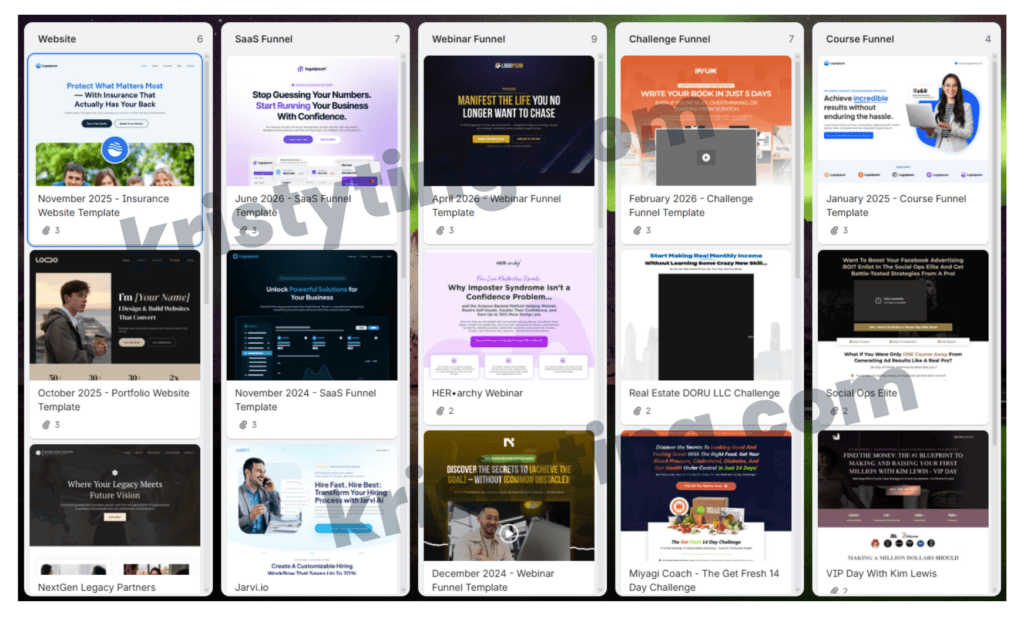
You can start with a simple PDF, a clean presentation, a Notion-style page, or a basic portfolio website. The tool matters far less than the experience of reviewing your work. If it takes five clicks to find your samples or your text is tiny on mobile, potential clients may leave before they see your talent.
Lead with a clear headline. “Short-form video editor for coaches and personal brands” is stronger than “Creative freelancer.” Add a brief introduction that says who you help, what you create, and the type of outcome you support.
Then place your best samples near the top. For each project, use readable screenshots, short explanations, and a clear label showing whether it is client work, volunteer work, or a concept project. Finish with a direct invitation to contact you for a project, audit, or starter package.
A portfolio should not be frozen once you publish it. Refresh it as you improve. Replace early samples when your skills level up, tighten your positioning after client conversations, and add real outcomes as they become available.
Get Your First Proof Faster Through Small Projects
Spec work gets you in the room. Small paid projects help you build momentum. Consider offering a tightly defined starter service rather than discounting everything you do.
For example, a copywriter might offer one welcome email instead of an entire funnel. A designer might create five social media templates. A VA might organize one client’s booking system. The scope is clear, the risk feels lower for the client, and you can deliver a focused win.
You can also support a cause, community group, or business you genuinely care about at a reduced rate or as a carefully chosen volunteer project. Set the boundaries in writing. Agree on the deliverable, timeline, permission to use the work in your portfolio, and whether they can provide a testimonial if they are happy with the result.
Avoid doing endless free work for people who treat your time casually. One or two strategic projects can be useful. A pattern of unpaid labor is not a business model.

Turn Every Project Into Better Positioning
Once you begin serving clients, do not just collect testimonials that say, “She was great!” Ask questions that produce specific proof. What problem were they trying to solve? What did they appreciate about your process? What changed after they used the deliverable?
Even a simple answer such as, “I finally had a consistent posting plan and saved four hours every week,” gives future clients a concrete reason to inquire. Add that feedback beside the relevant sample, along with a short description of the project.
Building a freelance portfolio without experience is less about faking a history and more about proving, right now, that you know how to think through a real business problem. Your first portfolio will not look like the portfolio of a freelancer with 50 clients. It does not need to. It needs to show that you understand a business problem, can produce quality work, and communicate like someone ready to be hired. Build the first three samples this week, put them where clients can see them, and let your skills start earning their place in the market. Once those first three samples are ready, learn how to write winning proposals that connect your proof to the client’s actual problem.