

This post may contain affiliate links. If you use these links to buy something we may earn a commission at no extra cost to you. Thank you for your support!
A lot of freelancers say they offer SEO, but when a client asks, “Okay, what exactly will you do on my site?” the answer gets very fuzzy, very fast. That is where on page SEO services become a real business opportunity. They are specific, measurable, easier to scope than broad SEO retainers, and a solid entry point for freelancers who want to sell a high-value digital service without needing to become a technical SEO wizard overnight.
If you want to offer SEO as a freelancer, this service category is one of the most practical places to start. It gives clients something they can understand, gives you clear deliverables, and helps build the kind of recurring trust that can turn one project into monthly work.
What on page SEO services actually include
On-page SEO is all the optimization work done directly on a website page to help it rank better and convert better. That means you are improving the content, structure, formatting, metadata, internal links, keyword targeting, and overall user clarity of a page.
In freelance terms, on page SEO services usually sit somewhere between content strategy, SEO writing, and website optimization. You are not just sprinkling keywords into a blog post and calling it a day. You are helping a client make each page easier for search engines to understand and easier for humans to use.

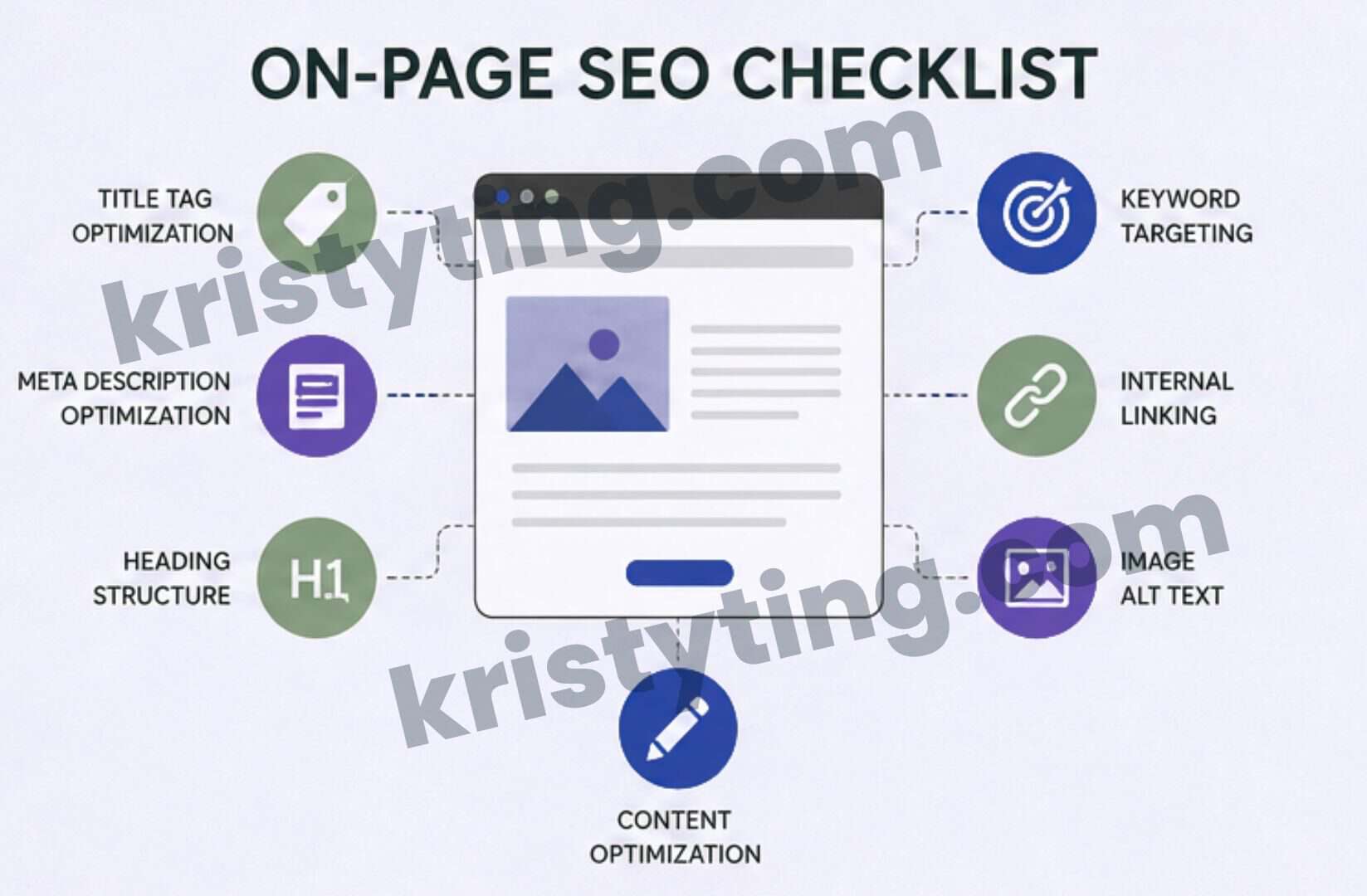
A typical on-page SEO service can include keyword mapping, title tag and meta description optimization, heading structure cleanup, URL recommendations, internal linking suggestions, image alt text, content updates, search intent alignment, and content gap fixes. In some projects, it also includes rewriting thin pages, improving category pages for ecommerce, or optimizing service pages for local businesses.
That range is exactly why this can be a strong freelance offer. You can package it around audits, implementation, content refreshes, or ongoing optimization depending on your skill set.
Why clients buy on page SEO services
Most clients do not wake up thinking, “I need better H2 tags.” They buy outcomes. They want more traffic, better leads, lower bounce rates, stronger conversion pages, or content that finally starts pulling its weight.
This matters when you position your service. If you describe your offer like a checklist of SEO tasks, you will sound like everyone else. If you explain that their blog posts are targeting the wrong intent, their service pages are missing key relevance signals, and their site structure is making it harder for Google to understand priority pages, now you sound like a strategist.
That does not mean overcomplicating it. In fact, the best freelancers make on-page SEO feel simple and useful. They translate messy website problems into plain-English fixes. Clients love that because many of them have already paid for vague SEO advice before.
The easiest way to package this as a freelance service
For most freelancers, the cleanest starting point is a page-level offer rather than a sitewide retainer. It is easier to sell, easier to scope, and easier to deliver well.
You could offer optimization for a set number of pages, such as five blog posts, three service pages, or a homepage plus key landing pages. This works especially well for newer freelancers because you can create a repeatable workflow. Audit the page, review keyword targeting, update metadata, improve headings, strengthen internal links, revise copy, and deliver recommendations or implementation.
If you are more experienced, you can move into larger packages. That might mean a full on-page SEO audit for a 20-page website, an ecommerce collection page optimization package, or ongoing monthly optimization tied to content performance.
The trade-off is simple. Smaller packages are easier to close. Bigger packages usually pay better but require stronger process, reporting, and confidence.
What deliverables make clients feel the value

Clients need to see what they are paying for. That means your deliverables should be concrete, not fluffy.
A strong on-page SEO package often includes a page audit document, target keyword recommendations, rewritten or edited metadata, updated heading structure, content recommendations, internal link suggestions, and implementation notes. If you also write or edit the page directly, that adds even more value because many clients do not want a list of fixes they still need someone else to do.
This is why freelancers who combine SEO with copywriting, blogging, web design, or content strategy often have an edge. They are not just diagnosing problems. They are helping solve them.
For example, if you are already a website copywriter, adding on-page SEO services can make your offer much more attractive. If you are a VA who works inside WordPress or Shopify, you may already have the implementation skills clients need. If you are a content writer, this can help you move beyond being paid per word and into strategy-based pricing.
Pricing on page SEO services without undercharging
Pricing depends on the kind of client, the type of page, the depth of work, and whether you are auditing, implementing, or both.
A simple page optimization service might be priced per page. That can work well when the scope is consistent, like optimizing blog posts under 1,500 words. More strategic projects often work better as flat-rate packages. For example, a 10-page service page optimization package or a full on-page audit with prioritized recommendations.
Hourly pricing is possible, but it often caps your upside and makes clients focus on time instead of outcomes. In most cases, value-based packaging is the better move.
As a rough guide, newer freelancers might start with a starter package priced accessibly to build proof and testimonials. More experienced freelancers and agencies can charge significantly more, especially when the service is tied to lead generation pages or revenue-driving content.
The key is to price based on business impact, not just word count or task count. A local dentist’s service page, a SaaS landing page, and a casual blog post are not equal in value even if they take a similar amount of time to optimize.
Skills you actually need to deliver this well
You do not need to know everything about SEO to offer this service professionally. But you do need a strong grasp of search intent, keyword targeting, content structure, metadata, internal linking, and basic user experience.
You should also know how to review a page and spot problems fast. Is the page targeting a keyword that does not match the offer? Is the title tag too weak? Is the content bloated, thin, or misaligned? Are important pages isolated with poor internal linking? These are the kinds of issues clients pay you to catch.
Tool knowledge helps, but tools do not replace judgment. You can use keyword tools, SEO plugins, analytics platforms, and page crawlers, but the real value is knowing what to do with the information.
If you regularly optimise blog content, tools like RankIQ can help you discover lower-competition keywords, generate detailed content briefs, and identify topical gaps before you start writing. While no tool replaces good judgment, it can speed up your SEO workflow significantly.
This is also one of those service areas where writing skill matters more than many freelancers realize. A page can be technically optimized and still underperform because the copy is weak, generic, or unclear. Good on-page SEO lives at the intersection of relevance and persuasion.
Many freelancers also use AI writing assistants such as Koala AI Writer to speed up drafting and research. The key is to use AI as a starting point, then edit the content to match search intent, improve clarity, and add original expertise.
Who is a good client for on page SEO services?
Not every business is the right fit. The best clients usually already have a website, some existing content or landing pages, and a real reason to improve organic visibility.
That can include coaches, service businesses, ecommerce brands, agencies, bloggers, niche site owners, SaaS companies, and local businesses. The common thread is that they have pages that matter and are willing to invest in improving them.
Clients who expect instant rankings from a few title tag edits are usually not ideal. On-page SEO helps a lot, but it works best as part of a bigger picture that may also include content production, technical fixes, backlink growth, and conversion improvements.
That is where expectation setting matters. Be honest. Better on-page work can improve rankings, clarity, click-through rate, and page performance, but results depend on competition, domain strength, content quality, and time.
How to stand out if many freelancers offer SEO
The simplest way to stand out is to narrow your angle. Instead of saying you offer SEO for everyone, say you optimize service pages for coaches, product pages for ecommerce brands, or blog content for B2B businesses. Specificity makes your offer easier to trust.

You can also stand out through your process. Clients like seeing a clear method. Maybe you start with intent analysis, then optimize page structure, then improve copy, then strengthen internal links. A named framework is not mandatory, but a visible process helps people feel they are buying something organized and proven.
Another smart move is combining this with adjacent services. On-page SEO plus blog writing. On-page SEO plus website copy. On-page SEO plus CRO edits. That kind of hybrid offer is often where freelancers move from commodity pricing to premium positioning.
If you are building a service menu for your freelance business, this is one of those offers that can grow with you. You can begin with page audits, then add implementation, then expand into content strategy or monthly SEO support. That is a very real path from side income to a more stable service business.
Should you offer on page SEO services?
If you enjoy strategy, writing, optimization, and making websites perform better, this is a smart service to consider. It is practical, sellable, and flexible enough to fit different freelancer backgrounds.
It is also a strong choice if you want a service that feels less random than general marketing support. Clients can see the work. They can understand the pages being improved. And when you package it properly, they can connect your service to outcomes that matter to their business.
You do not need to be the loudest SEO expert on the internet to do well here, lah. You need a clear process, solid judgment, and the confidence to explain what you are fixing and why it matters. That combination is what turns a skill into an offer people are happy to pay for.
If this is a direction you want to grow into, start with one package, one niche, and one clear promise. You can build a lot from there.