

This post may contain affiliate links. If you use these links to buy something we may earn a commission at no extra cost to you. Thank you for your support!
Have you ever looked at your foreign language skills and thought, “I should be making money from this”?

Maybe you speak two languages at home. Maybe you learned a third language in school like I did perhaps? Maybe you lived abroad and picked up another language pair while dating someone, aha! Then maybe, maybe, you may also want to know the route of how to become a freelance translator…
Then the big question hits:
Can I actually become a freelance translator and earn real money?
Short answer? Yes!
Long answer? Yes, if you follow the right steps.
In this simple guide, I’ll walk you through how to become a professional translator and build a real freelance translation business in 10 easy steps. Let’s get started.
You might be interested in: Top Freelance Jobs For Beginners – Guide To Getting Started And Hired
10 Easy Steps On How To Become A Freelance Translator
Step 1: Decide Your Language Pair
First things first, what is your language pair? Your language pair comprises source language and target language:
- What is your source language?
A source language is the original language of a text that is being translated into another language.
- What is your target language?
A target language is simply the language being translated into.
Most translators work targetedly into their mother tongue or native language because writing naturally is easier in that direction.
For example:
- Spanish → English
- German → French
- Arabic → English
Some language combinations are in higher demand than others. Do a little research in the translation industry and see where there is strong demand – hopefully, yours is!
This is your foundation.

You might be interested in: Does Remote Mean Work from Home? Best Explained.
Step 2: Strengthen Your Language Skills
Being bilingual is great, but professional translation requires more than the simple ability to speak around the house with family and friends.
You will indeed need:
- Strong grammar
- Deep cultural understanding
- Knowledge of the terms of language
- Clear and natural writing
- Excellent writing skills
If needed, take a translation course, an online course, or even short courses to improve these aspects. You don’t always need college degrees to be good at certain subjects, yet investing in learning is always a good idea!
Strong language skills separate hobby translators from the real professionals.
Step 3: Choose a Niche (This Helps You Earn More)

If you translate everything, you compete with everyone.
Instead, do specialize, niche down!
You can focus on:
- Legal documents
- Medical reports
- Website content
- Marketing campaigns
- A specific technical field
Specializing naturally helps you:
- Attract better potential clients
- Charge a higher rate
- Build authority faster
This is one of the smartest moves you can make in the translation industry (if you are up to it).
Step 4: Learn Basic Tools Like CAT Software
Professional translators use CAT tools (Computer-Assisted Translation tools).
Examples:
These tools, when installed, help you:
- Stay pleasantly consistent
- Save loads of time
- Manage large translation projects without blowing your eyes out, aha!
Don’t worry too much about the learning curve because you don’t need to master everything on day one.
Start simple and grow.
Step 5: Understand AI and Machine Translation

Alright, so let’s touch upon the one existential threat most translators anxiously have at the back of their minds – Let’s talk about artificial intelligence and machine translation.
Yes, automatic translation apps do exist and are commonly available these days.
But they are far from perfect, they lack the all important human touch to come out sounding natural.
They often miss:
- Tone
- Context
- Cultural meaning
- Emotion
Most often than not, the generated texts come out sounding the same when a mass of individuals use the same translation AI on the same text. Most notably, if we do not personalise our AI-generated texts, the risk of everyone coming out to sound the same is real – leverage AI to your advantage!
Instead of fearing AI, learn to use it wisely. Those who know AI will use AI to advantageously edit their machine output texts and offer high-quality finishing in less time – AI still cannot spew what humans can, that’s why regardless of AI-existence, human translators and human expertise will still matter for years to come!
You might be interested in: 10 Best Tools for Freelancing With AI
Step 6: Build Your Portfolio
Before you get paid, you need to build proof and credibility – you need to build your portfolio.
Create sample work such as the following and include them:
- Translate a blog article
- Translate product descriptions
- Translate a short document
Emphasise on your ability by showing your:
- Accuracy
- Clarity
- Formatting
Even if it’s your first time and you don’t have formal translation experience yet, strong samples can attract direct clients and even translation agencies to try you out. Truth.
Step 7: Decide Where to Find Translation Jobs
There are three main paths for searching out new work gigs:
1. Working With Translation Agencies
Possibly the least stressful, a translation agency or large translation company connects you with projects.
Pros:
- Regular translation work
- Less marketing
- You wont be the one to do the client-closing
Cons:
- Sometimes a lower rate as the agency takes a portion
- Often paid on a per-project basis
- The rules and deadlines are not set by yourself
2. Finding Direct Clients
This means working directly with businesses and getting paid 100% of the cut.
You can:
- Create your own website
- Reach out to companies
- Offer your translation services
Direct clients often pay better (as long as you know which platforms to seek them out at, and know how to negotiate, hah!)

3. Freelance Platforms
Platforms are good for beginners looking for translation jobs but competition can be high, and many offer low pay.
Many translators start here and later grow into independent translators working independently quality as independent contractors – once you get more experienced having executed more jobs well, you will get referral jobs through word of mouth from your other clients.
Step 8: Set Your Rates Smartly
In the beginning, you may not charge a high price. That’s normal.
But don’t stay at a lower rate forever.
As your:
- Years of experience
- Skills
- Niche authority
- Portfolio
Grow, and you can charge a higher rate.
Avoid looking desperate by racing to the price bottom. Quality attracts better clients.
How Much Do Freelance Translators Charge?
Different independent translators make different charges, but here’s a rough formula:
- $15 to $25 an hour for beginners
- $25 to $50 an hour for intermediate interpreters.
- $50–$100 or more an hour for experienced or expert translators
Instead, some translators charge by the word, which can be anywhere from $0.05 to $0.25 per word, or on a per-project basis, depending on the work and language.
Rates vary based on language pair, subject matter, urgency, and client type. Specialized translation services normally pay more than those that do generic content.
To raise your prices over time, you should focus on specialization, improve efficiency, and work with direct clients to get positive testimonials to place on your portfolio!
You might be interested in: 10 Best Free Freelance Invoice Template
Step 9: Keep Investing in Professional Development

The best translators never stop learning – always think of how you can upskill.
You can:
- Join professional bodies like the Chartered Institute of Linguists
- Become a certified translator
- Take additional short courses
- Study industry updates
- Use reliable translator resources
You don’t always need university degrees, but consistent professional development is powerful.
The more value services you can offer to the client, the more you can earn. On top of translating, some go on to offer copywriting and funnel-building which is the new trend these days taking the world by storm!
You might be interested in: 5 Free AI Caption Generator Tools for Instagram
Step 10: Treat It Like a Real Business
If you want consistent income, think beyond small gigs.
Build a real freelance translation business.
That means:
- Managing deadlines yourself
- Respecting confidentiality (even understanding topics like the use of cookies when working on web content)
- Communicating professionally
- Tracking income
- Improving systems
You can choose your own schedule. You can work part-time or become a full-time translator.
But you must treat it seriously.
This is not a hobby. It’s a business – good customer Service is of utmost important!
You might be interested in: Does Remote Mean Work from Home? Best Explained.
Top Freelance Platforms for Translation Jobs
1. ProZ
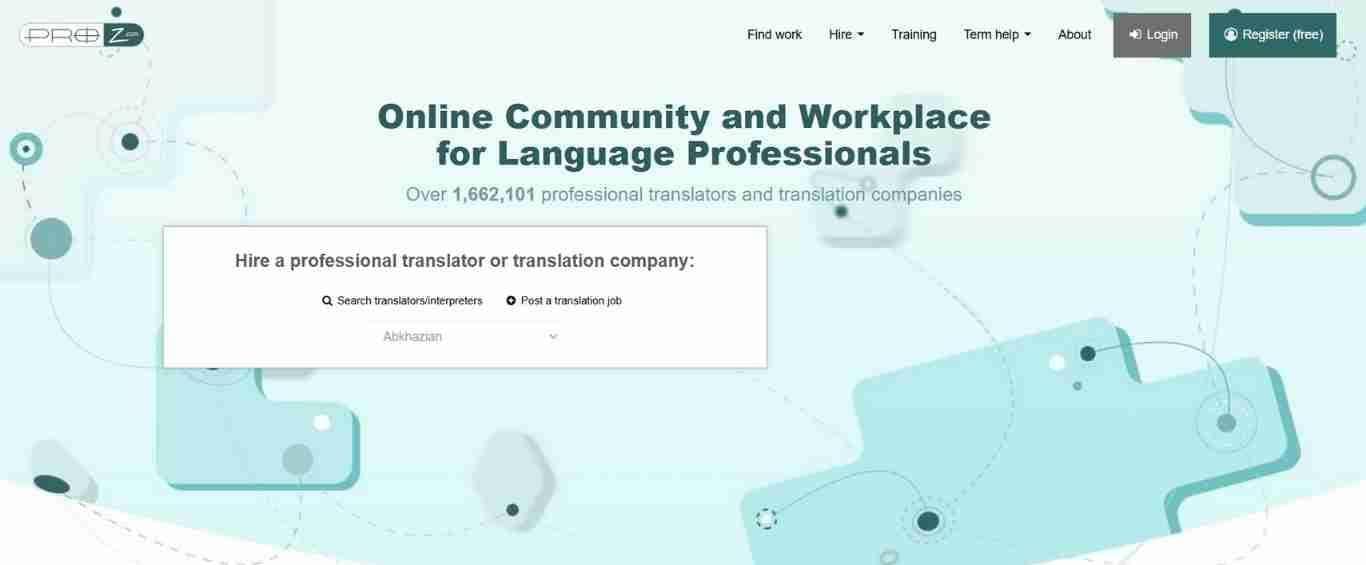
Best for: Serious translators, translation agency, long-term work
ProZ one of the largest and most trusted platforms in the translation industry. It’s used by almost anyone.
Why it’s useful:
- Dedicated only to translation work
- Strong reputation in the industry
- Useful translator resources and forums
2. TranslatorsCafe
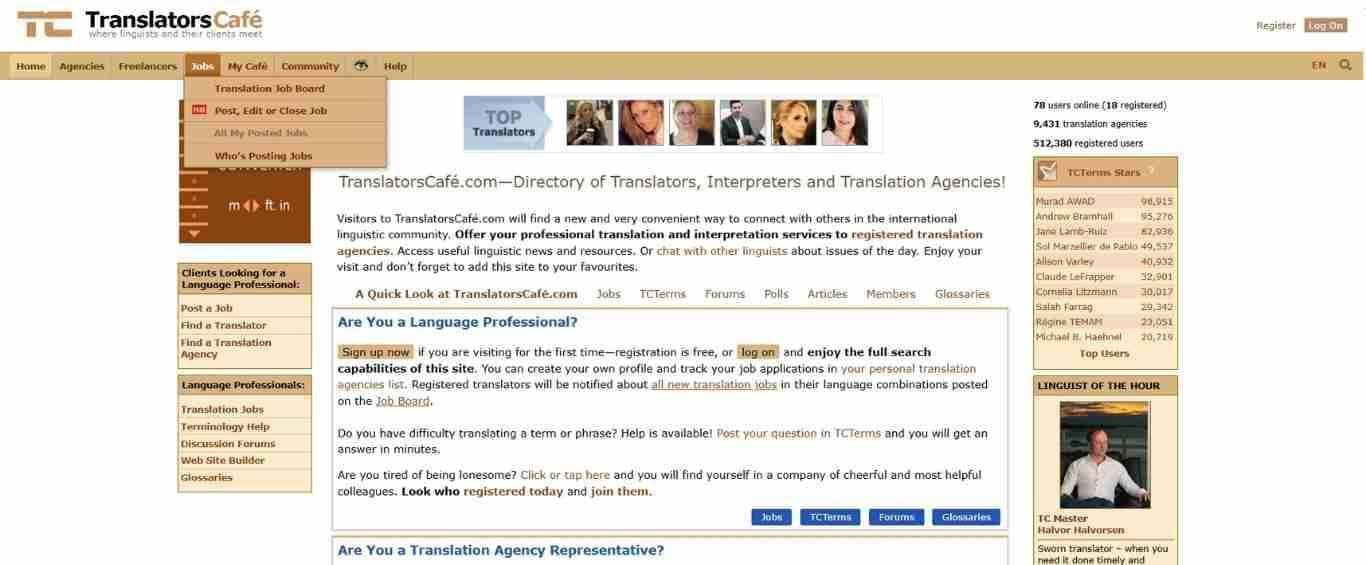
Best for: Beginners and intermediate translators
TranslatorsCafe is another site made only for freelance translators. It’s simpler to get into than ProZ, and smaller firms and agencies commonly use it.
Why it’s useful:
- Dedicated for translation job listings
- Great platform for building early translation experience
3. Upwork
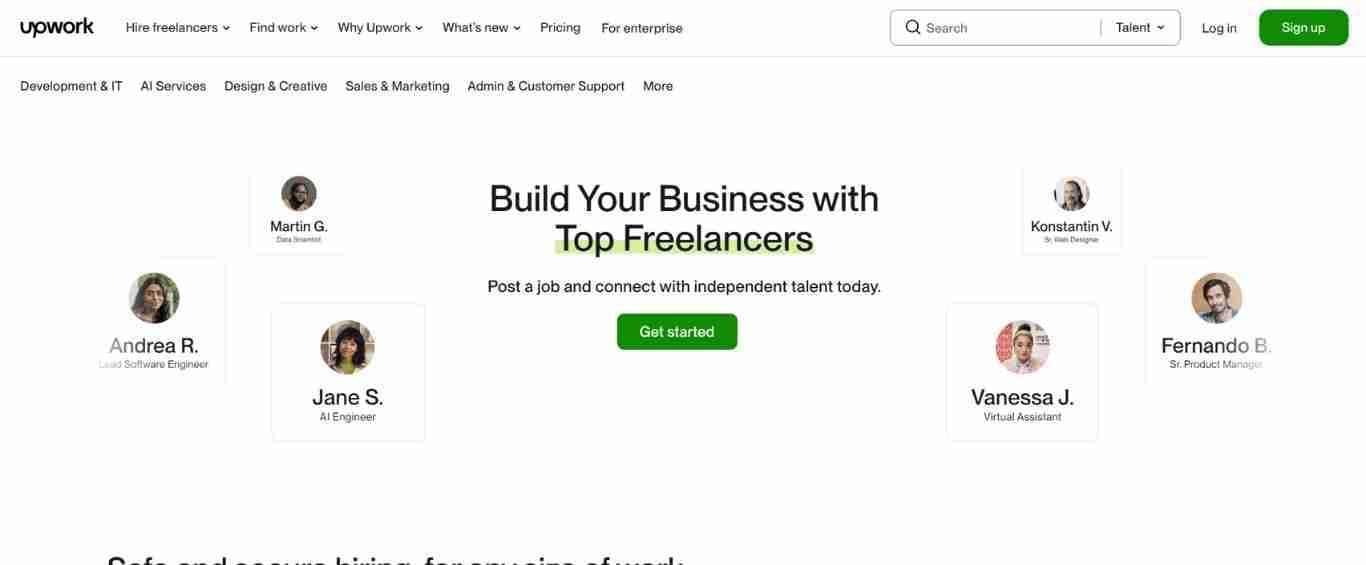
Best for: Beginners looking for first clients
Upwork is a broad freelancing platform, but there are also a lot of translation jobs across many language combinations.
Why it’s useful:
- Easy to create a profile
- Clients actively search for translators
- Good place to practice pitching and client communication
4. Fiverr
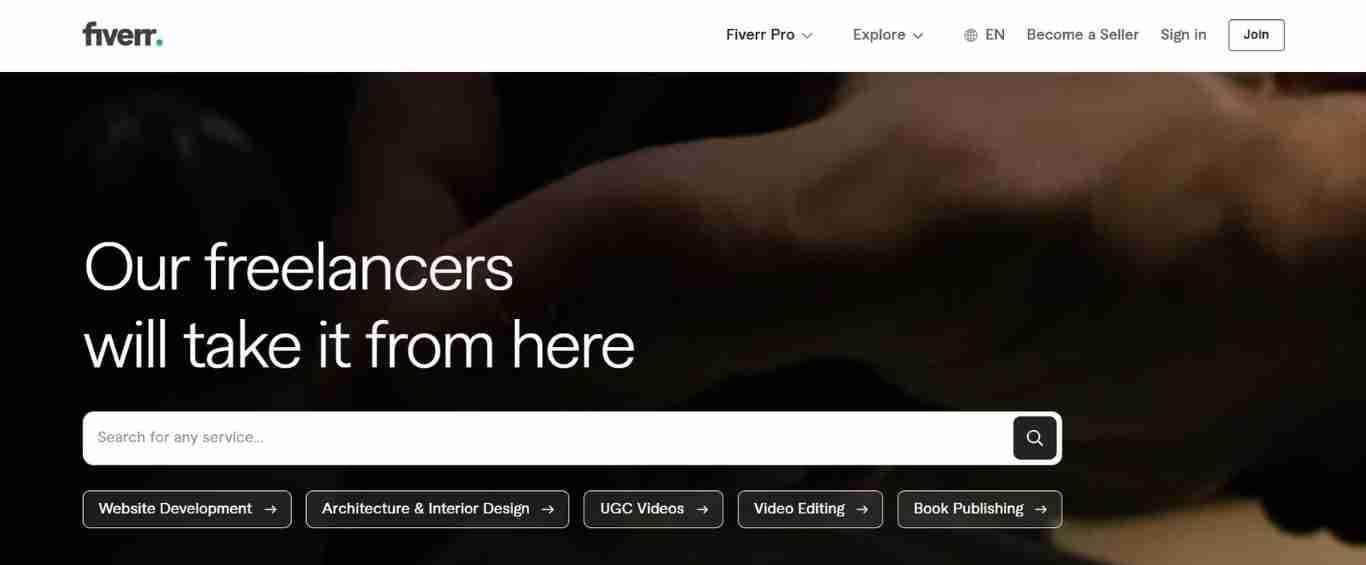
Best for: Passive leads and niche language services
Fiverr works differently. You list your language services, and people who need them will come to you, although this site is known to be filled with low-ballers looking to hire for a bargain.
Why it’s useful:
- No pitching required
- Service packages are under your control.
Excellent for niche language pairs or fast-turnaround work
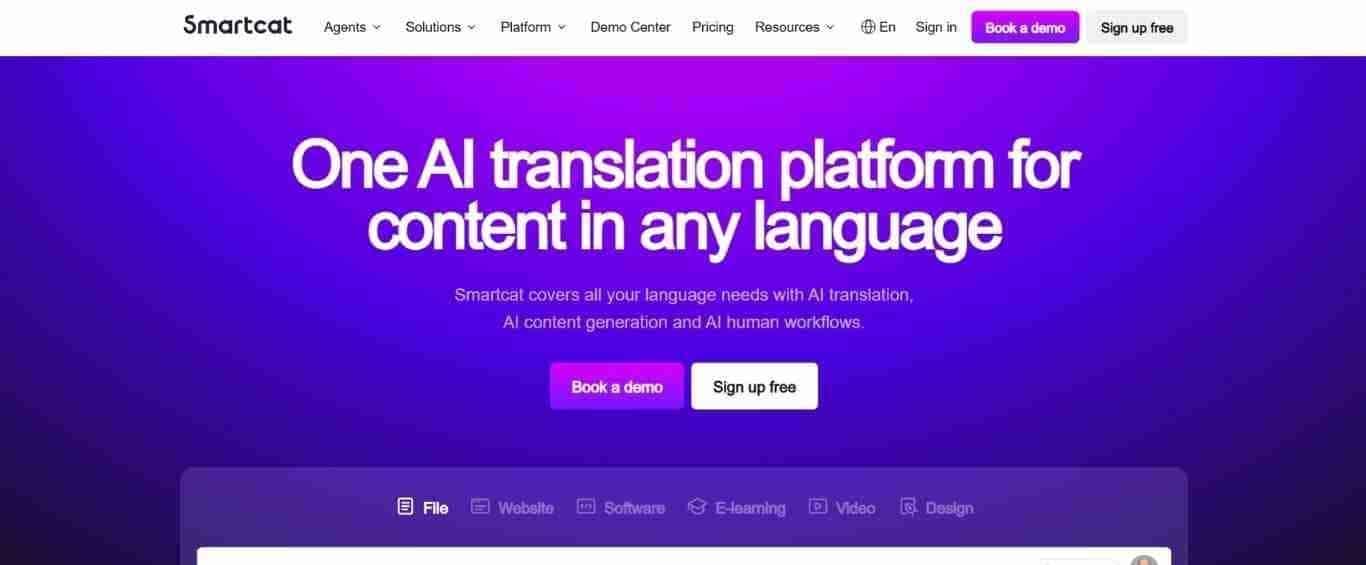
5. Smartcat
Best for: Tech-savvy translators and CAT tool users
Smartcat offers a freelance marketplace and computer-assisted translation tools.
Why it’s useful:
- Built-in CAT tools
- Collaboration with translation agencies
- Good if you are looking for large translation projects
6. Gengo

Best for: Beginners who want structured work
Gengo offers micro-translation projects and is often used by global brands.
Why it’s useful:
- Clear project guidelines
- No client pitching
- Steady workflow
7. PeoplePerHour

Best for: European translators
PeoplePerHour is similar to Upwork and has high demand when it comes to translation services, particularly in Europe.
Why it’s helpful:
- Short projects
- Flexible bidding
- Good for part-time translators
8. LinkedIn (Yes, really)

Best for: Direct clients and agencies
LinkedIn isn’t a traditional freelance platform, but it’s a great place to look for translation jobs.
Why it’s useful:
- Optimize your profile as a freelance translator
- Connect with translation agencies and project managers
- Apply to job posts
Wrap Up: Your Next Steps to Becoming a Freelance Translator

Becoming a freelance translator is not about being a perfect one right away. You just have to keep getting better, investing in yourself and upskilling.
If you’re wondering where to start, keep it simple. Start by choosing your language pair. Make sure your language skills are strong, especially in your mother tongue. Then pick one niche, create a few simple translation samples, and begin looking for small opportunities – That’s it. You don’t need a complicated plan at all, just follow this simple framework.
The process is simple, but like any job, it takes effort if you want to do it well. Focus on improving step by step. Learn as you go. Go at your own manageable pace but do not procrastinate too much either. Take feedback seriously and constructively. Keep practicing with your writing accuracy and versatility in finding client tone voices.
And don’t worry too much about AI as your threat – instead view them as your buddy to make your life simpler. Human translators are still needed because cultural understanding, the human tone, and decision-making cannot be replaced by algorithms and web-searching results alone.
You don’t have to feel 100% ready, just get moving first!
Start small. Take action. Improve along the way.
Just begin today, YES!
Frequently Asked Questions
1. Do I need formal education?
Not always. Some people complete an academic program or earn college degrees, but many succeed through practical training and self-study.
2. What’s the salary of a freelance translator?
To be honest, independent translator isn’t the kind of job where everyone receives equal money. It will always depend on different factors such as language pairings, the specific kind of translation, and your years of experience. It’s only normal to start with a lower rate while you are still working on your skills.
However, if you get better at what you do and feel more confident, you may charge a higher rate. A lot of translators end up with an income that is not only solid but also flexible enough to work around their lives.
You might be interested in: Amazon Product Tester: Best Ways To Get Paid To Test Products
3. Do you think artificial intelligence is a threat to independent translators?
AI tools are getting faster and better. They still mess up, though. It’s not always clear to them what tone, feelings, or society mean. For this reason, a lot of people still hire human translators, especially when the work is important, like when translating legal or technical papers, and a mistake could mean big trouble. Use AI, do not be replaced by other humans using AI.
4. Can non-native speakers become translators?
Yes, but most professionals translate into their native language for best results.
5. Is starting a freelance translation business a daunting task?
It can feel overwhelming at first. But when you break it into small steps, it becomes manageable.