
This post may contain affiliate links. If you use these links to buy something we may earn a commission at no extra cost to you. Thank you for your support!
Clients are already asking for work that barely existed a year ago. One month it is AI-assisted content creation workflows. Next month it is short-form video content with creator-style editing for Instagram Reels and TikTok. Then suddenly everyone wants better first-party data strategy because programmatic advertising costs are climbing again and third-party cookies are becoming unreliable.
That is why keeping up with the latest digital marketing trends in 2026 matters so much for freelancers — not as industry gossip, but as a roadmap for where money is moving.
If you sell digital services, this is not the year to stay too attached to one offer just because it worked before. The digital marketing landscape is shifting in ways that reward flexible, skilled freelancers over generalists who wait to see what happens. The ones who grow fastest usually are not chasing every shiny tool. They are the ones who notice where client demand is heading, package a useful service around it, and make it easy to buy.
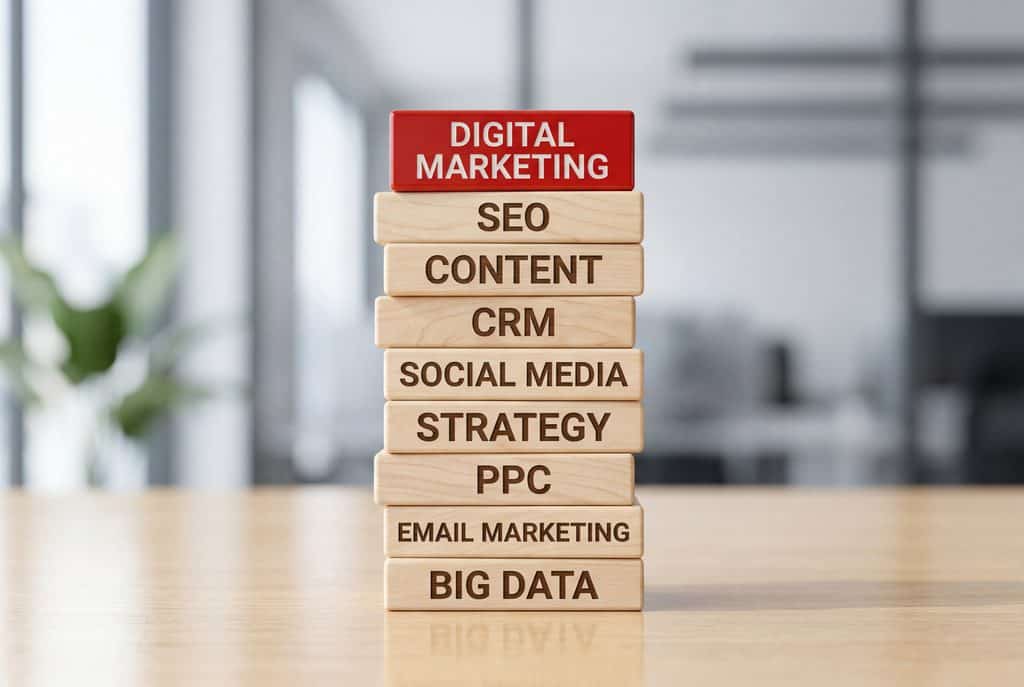
Why the Top Digital Marketing Trends 2026 Matter for Freelancers
For in-house marketing teams, trends are often about adaptation. For freelancers, they affect income more directly. A new digital marketing trend can create a brand-new service category, raise rates for a specialized skill, or make a once-popular deliverable feel like a low-margin commodity.
That does not mean you need to rebuild your business every six months, lah. But it does mean your offers should evolve alongside consumer behavior and technological advancements. If you are a copywriter, media buyer, designer, VA, SEO freelancer, or funnel builder (using tools like ClickFunnels or GHL), these shifts will influence what clients ask for, what they value, and what they are willing to pay extra for.
Here are the key trends worth paying attention to as you head into 2026 — and what each one means practically for your freelance business.
1. Artificial Intelligence Moves from Novelty to Operating System
In 2026, clients will care less about whether you use artificial intelligence and more about whether you use it well. The novelty phase is fading. Businesses now expect faster turnaround, more testing, and smarter systems. What they do not want is ai-generated content that sounds like everyone else.
Generative AI is changing how digital marketers approach content marketing and data analysis. Machine learning is powering better predictive analytics, product recommendations, and ai-powered personalization across email marketing (best managed via ActiveCampaign), ad platforms, and CRM systems like GoHighLevel. If you can translate these capabilities into deliverables clients understand, you move up the value chain fast.
There is a trade-off here. AI will squeeze rates for basic execution work. If your service is easy to template and easy to replace, clients will push down pricing. But if you combine AI speed with strategic thinking, editing judgment, and conversion skills, your service becomes more valuable, not less. The freelancers who thrive will be the ones who use ai-powered tools smartly — not the ones who either refuse to touch them or rely on them entirely.
2. Search Gets Messier, and SEO Gets More Strategic

Digital Marketing Trends 2026: The Concept of SEO Explained
Search engine optimization (SEO) is going through a major shift. Between AI-generated answers in search engines, zero-click results, forum-style content, and platform-specific search across YouTube, TikTok, and marketplaces, clients need more than “rank for keywords” help. Voice search optimization is also growing as internet users increasingly search through smart speakers and mobile devices using natural language queries instead of typed phrases.
That is one of the biggest digital marketing trends 2026 will force into the open. SEO freelancers will need to think beyond blog post production. Google Lens and visual search are also growing, meaning content needs to work across text, image, and voice formats to stay visible. Expect stronger demand for topical authority planning, original expert content, content refreshes, and search strategies that support email capture or direct conversions instead of pageviews alone.
For freelancers, this is good news if you are willing to level up. Businesses still want visibility. They just want search traffic that leads somewhere useful. If you can explain how content, search intent, lead magnets, and funnel pages work together — while building in voice search optimization for conversational queries — you move out of the “writer” bucket and into the “growth partner” bucket.
3. Short-Form Video Content Becomes a Standard Deliverable
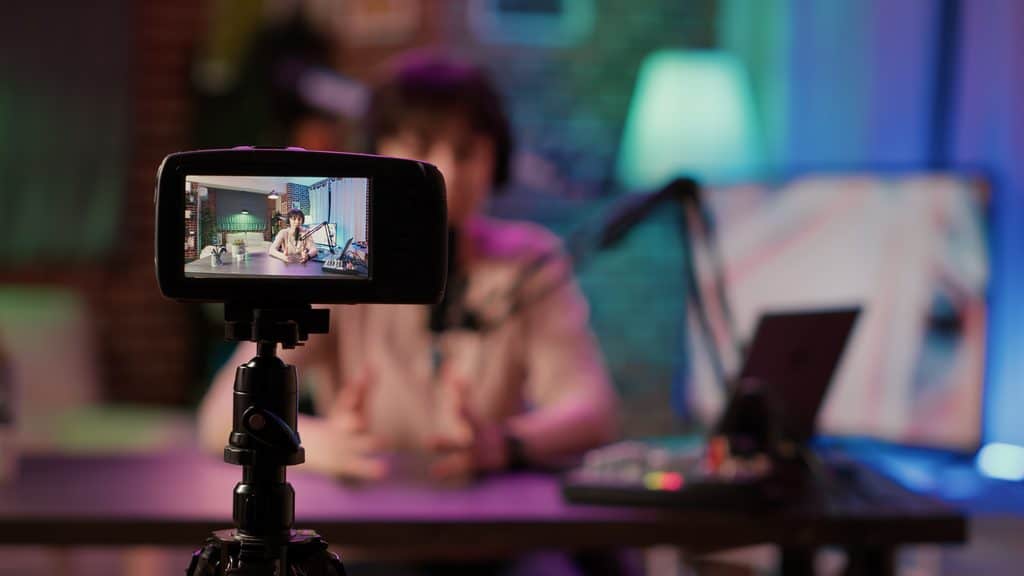
Short videos are no longer just a nice-to-have for trendy brands. Short-form video content is becoming a baseline content format across industries, including coaching, local services, ecommerce, B2B, and personal brands. Instagram Reels, TikTok, and YouTube Shorts are where consumer behaviour has shifted, and clients are following their target audience there whether they like it or not.
Video marketing now covers more than just editing. Clients want live videos and live streaming support, scripting, captions, content slicing, posting coordination, and performance review. They are not only asking for reels. They want videos that hook quickly, feel native to the platform, and support actual offers. User engagement data from these platforms is also reshaping how marketing teams brief content creators — because retention and saves matter more than views alone.
This is where freelancers can package smarter. Instead of selling “10 edited videos,” you can sell a monthly content engine: scripting, editing, captions, content slicing, and performance review. Same skill family, much higher business value. And if you can connect short-form content to social commerce — where viewers can buy directly from a video — you become even harder to replace.
4. First-Party Data Becomes Everybody’s Problem
As tracking gets less reliable, third-party cookies phase out, and data privacy regulations tighten, more businesses will focus on collecting and using their own first-party data. In practical terms, that means email lists, quiz leads, CRM cleanup, lead tagging, customer segmentation, and better follow-up systems. Data collection is shifting from passive tracking to active relationship-building, and the freelancers who understand that shift will have a clear competitive advantage.
This trend opens the door for email marketers, funnel builders, automation specialists, and VAs with strong systems skills. A small business may not know how to describe what it needs. It might say, “My leads are coming in but sales are inconsistent.” Often the real issue is weak nurturing, poor segmentation, or messy backend setup. First-party data strategy sits at the intersection of data analytics, user behavior mapping, and conversion rates — a combination that commands real money when packaged well.
Data security and data privacy are also growing concerns for business owners, especially as internet users become more aware of how their user data is used. If you can help clients build ethical, consent-based data collection systems that comply with regulations while actually improving customer engagement, that is a high-value service with very little competition at the freelancer level.
If you can fix broken nurture systems, you are not just doing admin. You are protecting revenue. And that kind of service is much easier to retain month to month.
5. Personal Brands Win Attention Faster Than Faceless Brands

In crowded social networks and a noisy digital world, people trust people. Founders, content creators, consultants, and niche experts are becoming the front door of marketing for many businesses. Even companies with larger marketing teams are putting employees and leaders on camera because personality cuts through faster than polished corporate messaging.
For freelancers, this creates demand across several service lines at once. Ghostwriters can write founder posts and newsletters. Designers can build personal brand assets. Video editors can turn long recordings into clips for social media platforms. Social media managers can shape a voice that feels human instead of overproduced. The way brands show up is changing — and the freelancers who help businesses look like people instead of logos will have plenty of work.
It also means your own marketing matters more than ever. Clients hiring in 2026 will notice whether your brand looks generic or clear. You do not need to become an influencer. But having a visible point of view, strong case studies, and a defined niche makes sales much easier — and positions you as someone worth paying premium rates.
6. Conversion Content Beats Vanity Content
A lot of brands are getting tired of posting just to post. Brand awareness is nice. Views are nice. But if content is not helping generate leads, sales calls, or actual purchases, marketing budgets get questioned fast. Consumer behavior data is increasingly showing that user engagement metrics mean nothing without downstream conversion rates to back them up.
That shift favors freelancers who understand conversion. Copywriters who can connect content to offers, social media managers who can build nurture paths, and ad specialists who can align creative with landing pages will stand out from the crowd. Clients want content that does a job, not just fills a calendar.
Interactive content is also becoming part of this conversation. Quizzes, assessments, calculators, and decision tools drive higher user engagement and collect first-party data at the same time. If you can produce or support this kind of content, you are solving two problems at once.
This is one reason service packaging matters more now. If you position yourself as someone who makes “engaging content,” that is vague. If you position yourself as someone who builds email welcome sequences that turn freebie leads into booked calls, that is much easier to value and price.
7. Ad Creative Gets More Important Than Targeting Hacks
Paid ads are still powerful, but the easy wins are not so easy anymore. As social media platforms automate more of the targeting side through machine learning and programmatic advertising, creative becomes one of the biggest levers left. Messaging angles, hooks, user-generated content-style visuals, landing page match, and testing speed matter more than they ever did.
Real time data is now central to how marketing campaigns get optimized. Clients want to know what is working fast, and they want creative refreshed before fatigue kills performance. That creates a strong lane for freelancers who can bridge strategy and execution. Media buyers who only know dashboards may feel pressure. But media buyers who can brief content creators well, analyze winning themes, and improve the full funnel will stay in high demand.
Writers and designers should pay attention too. Ad accounts increasingly need a steady stream of fresh concepts. If you can produce conversion-focused ad copy, creator briefs, or test-ready visuals, you become part of the performance team, not just a vendor making assets.
8. Influencer Marketing Shifts Toward Micro and Niche Creators

Influencer marketing is not slowing down — but it is getting more precise. Big follower counts are less impressive when user engagement is low. Marketing professionals are increasingly working with micro-influencers and niche content creators who have smaller but more loyal audiences, because those audiences convert better and cost less.
For freelancers, this creates opportunities in influencer outreach, brief writing, campaign coordination, and performance tracking. Small businesses that cannot afford macro-influencer campaigns are turning to community-driven social media marketing instead — which is far more accessible and measurable.
Gen Z is also reshaping how influencer marketing works. They respond to authenticity over production value, user-generated content over brand-polished posts, and brand values alignment over generic sponsorships. If you work with clients targeting younger audiences, this context matters for how you structure campaigns and brief creators.
9. Smaller, Specialized Communities Gain Value
Big audiences still look impressive, but many brands are seeing better results from smaller communities with stronger trust. Private groups, niche newsletters, member spaces, and customer communities can produce more qualified leads than broad awareness campaigns. This is a growing trend that connects to conversational marketing — building real-time dialogue with an audience rather than broadcasting at them.
This is especially useful for freelancers serving B2B, coaching, education, and service-based businesses. Community managers, email strategists, event support freelancers, and content marketers who understand audience nurturing will have more room to grow here. Immersive experiences, live streaming events, and live videos within community platforms are also becoming tools for driving customer satisfaction and retention — not just top-of-funnel awareness.
The catch is that community work is not always flashy, and results can take time. Some clients will expect immediate ROI. So if you offer this kind of service, set expectations clearly and connect community metrics to actual business outcomes like retention, referrals, renewals, or call bookings.
10. AI-Powered Personalization Raises the Bar on Customer Experience
Hyper-personalized content is no longer a luxury feature — it is becoming a baseline expectation. Thanks to ai-powered personalization and predictive analytics, digital marketing strategies can now adapt in real time to individual user behavior, purchase history, and engagement patterns. The result is a customer experience that feels relevant instead of generic.
For freelancers, this means clients will ask for more than a one-size-fits-all email sequence or a static landing page. They will want segmented flows, dynamic product recommendations, and content that speaks to specific customer stages. If you have experience with marketing automation, CRM tagging, or behavior-based email marketing, this is the trend that validates exactly what you do.
Conversational marketing — through chatbots, interactive content, and real-time messaging — is part of this too. Businesses are using it to improve customer service response times, qualify leads faster, and create a better user experience without needing human intervention at every touchpoint. If you can set up or optimize these systems, you have a service that directly improves customer satisfaction and conversion rates.
11. Clients Want Fewer Freelancers, But Better Ones

Here is the pattern underneath many of the digital marketing trends 2026 is surfacing: businesses want simplicity. Instead of hiring one person for captions, one for design, one for email, one for funnels, and one for analytics, many clients would rather hire fewer people who can own outcomes.
That does not mean you need to become a full-service agency overnight. It means adjacent skills are becoming more valuable. A copywriter who understands landing pages and email flows. A VA who can manage CRM updates and basic automations. A designer who can create ad creatives with conversion testing in mind. A social media manager who understands social commerce and can connect content to actual sales.
The sweet spot is not doing everything. It is combining two or three complementary skills that solve a more expensive problem — and becoming the person your clients do not want to lose, ie a full stack.
What Freelancers Should Do Next
Do not try to pivot into all eleven trends at once. Pick the one that matches your current skills, client base, and interests. If you already write content, lean into AI-assisted workflows, SEO strategy, or conversion assets. If you edit video, move closer to offer-driven short-form video content. If you do admin or operations work, first-party data and automation may be your lane.
Then update your positioning. Refresh your portfolio. Rewrite your service descriptions so they reflect where client demand is going, not where it used to be. Update your marketing efforts to show you understand where the digital marketing landscape is heading. This part matters a lot. Sometimes the fastest income growth comes from better packaging and sharper messaging, not learning ten new tools.
The coming years will reward freelancers who stay flexible without becoming random. Pay attention to what clients are buying, build skills that connect to revenue, and let your digital marketing strategies evolve with the market. That is how you build a business with staying power — not just a busy month.