
This post may contain affiliate links. If you use these links to buy something we may earn a commission at no extra cost to you. Thank you for your support!
If you’ve ever had people click, browse, maybe even ask a question, and then disappear, you don’t have a traffic problem. You probably have a funnel problem. That is why learning how to build sales funnels matters so much, especially if you’re a freelancer, consultant, or service provider trying to turn attention into actual revenue.
A sales funnel is not just a landing page with a fancy headline. It is the full path someone takes from first hearing about you to becoming a buyer. When that path is clear, people move forward with less friction. When it’s messy, they get confused, distracted, or simply say later and never come back.
For freelancers, funnels matter even more because you usually do not have a giant team, a huge ad budget, or time to chase every lead manually. A good funnel helps you qualify prospects, build trust, and make sales in a way that feels consistent instead of random.
How to build sales funnels without overcomplicating it
The biggest mistake people make is building pages before they build strategy. They start with software, templates, and colors, then wonder why nothing converts. The better approach is to start with the offer, then shape the funnel around how someone says yes.
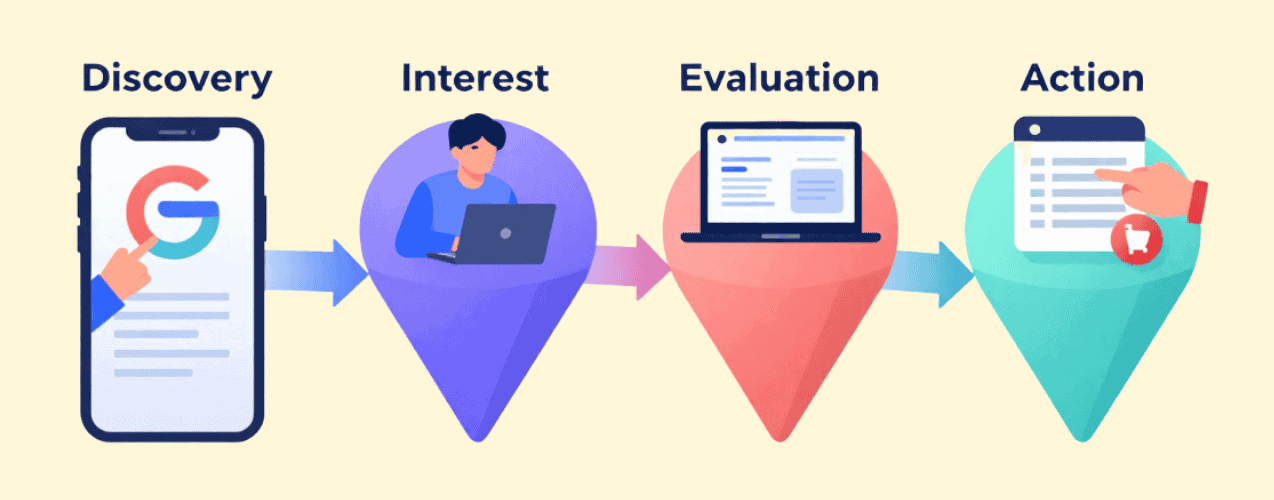
At the simplest level, every funnel has four parts. A person discovers you, shows interest, evaluates whether you’re the right fit, and then takes action. That action could be booking a call, buying a service package, joining your email list, or purchasing a digital product.
That sounds straightforward, but the details matter. The right funnel for a freelance copywriter is different from the right funnel for a Facebook ads specialist or a web designer. A low-ticket product can often convert with a short funnel. A high-ticket service usually needs more proof, more trust, and more follow-up.
So before you build anything, answer three questions. What are you selling? Who is it for? And what does that person need to believe before they buy?
If you skip that step, your funnel may look polished but still underperform. Nice design cannot fix a weak offer or vague messaging. Painful but true, lah.
Start with one clear offer
A sales funnel works best when it leads to one obvious next step. If your page asks visitors to read your blog, follow your Instagram, join your newsletter, book a call, and check out three different services, you are creating decision fatigue.
Choose one offer and build around it.
For example, if you’re a beginner funnel builder offering setup services, your core offer might be a done-for-you funnel package for coaches. If you’re a VA who wants easier entry into funnel work, your offer might be funnel tech setup or email automation support. If you’re more advanced, you may sell strategy, optimization, and conversion audits.
The offer shapes everything else. It affects your messaging, your lead magnet, your call to action, and how long your funnel needs to be.
In most cases, service providers do well with one of these paths: a lead magnet funnel that leads to a consultation, an application funnel for higher-ticket services, or a direct sales funnel for a productized service. None is automatically better. It depends on price, complexity, and buyer intent.
Map the buyer journey before you write a single page
If you want to know how to build sales funnels that actually convert, think like your buyer, not like a marketer trying to force a sale.
Someone who has never heard of you usually will not book a $3,000 service after seeing one post. But they may download a useful checklist, watch a short training, or sign up for your email list if the topic solves a real problem.
That means your funnel should match awareness level.
A cold audience often needs education and proof. A warm audience may only need a strong offer and a deadline. A hot audience might be ready for a sales page or booking page right now.
This is where many freelancers leave money on the table. They use the same message for everyone. But a first-time visitor and a referral lead are not in the same place. Your funnel should reflect that.
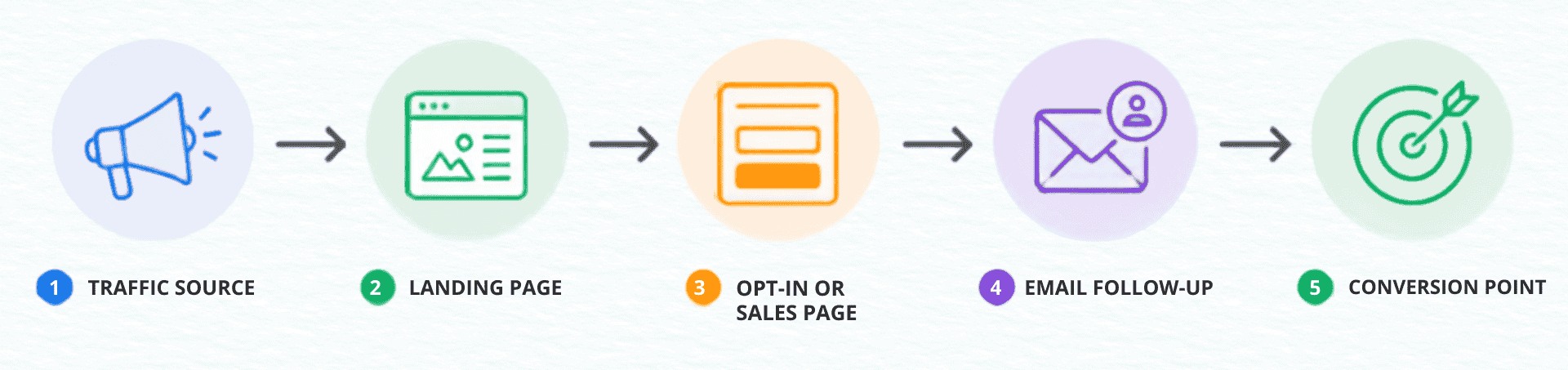
A simple map looks like this: traffic source, landing page, opt-in or sales page, email follow-up, conversion point. You do not need 17 steps. You need a path that feels logical.
Build the funnel around one conversion goal
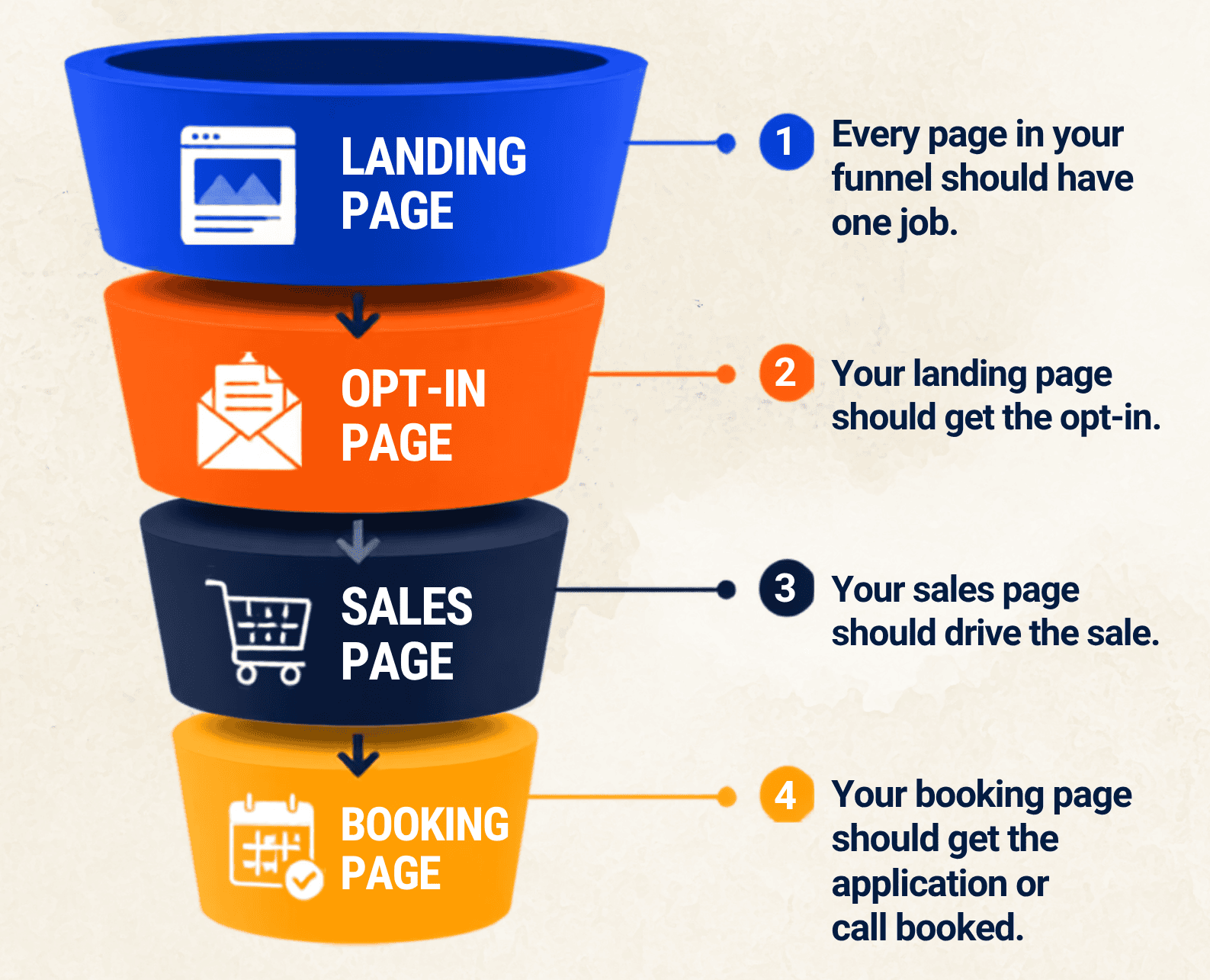
Every page in your funnel should have one job.
Your landing page should get the opt-in. Your sales page should drive the sale. Your booking page should get the application or call booked. When pages try to do too much, conversions drop.
This is why clarity beats cleverness almost every time. Your headline should tell people what they get and why it matters. Your body copy should answer objections. Your call to action should feel specific and easy to understand.
If you’re offering a free lead magnet, make sure it leads naturally to your paid service. A random freebie may grow your list, but it will not always grow your income. For example, a general productivity guide may attract a broad audience, while a funnel audit checklist will attract people who are more likely to hire you for funnel strategy or setup.
That alignment matters a lot.
The basic pages most sales funnels need
Not every funnel needs every page, but most useful funnels include a landing page, a thank-you page, some kind of follow-up email sequence, and a conversion page.
The landing page captures attention and gets the click to mean something. The thank-you page is often underused, but it can warm people up for the next step by inviting them to book a call, watch a short video, or check their inbox for what comes next.
Beginners often build these pages using ClickFunnels because it lets you create landing pages, thank-you pages, and sales pages without needing to code. WordPress and other page builders work well too, so the best choice depends on your budget, technical confidence, and business needs.
Then comes email. This is where trust compounds. A short email sequence can tell your story, share proof, answer common objections, and move people toward the sale. For service providers, email often does the heavy lifting because buyers need time to evaluate fit. To automate this process, email marketing tools such as ActiveCampaign can send personalized follow-up emails based on what each subscriber does.
Your conversion page depends on the offer. It might be a sales page, a scheduler page, or an application form. The right choice depends on how much commitment the buyer needs to make. A $47 template does not need the same process as a $5,000 consulting package.
Use proof, but use the right kind
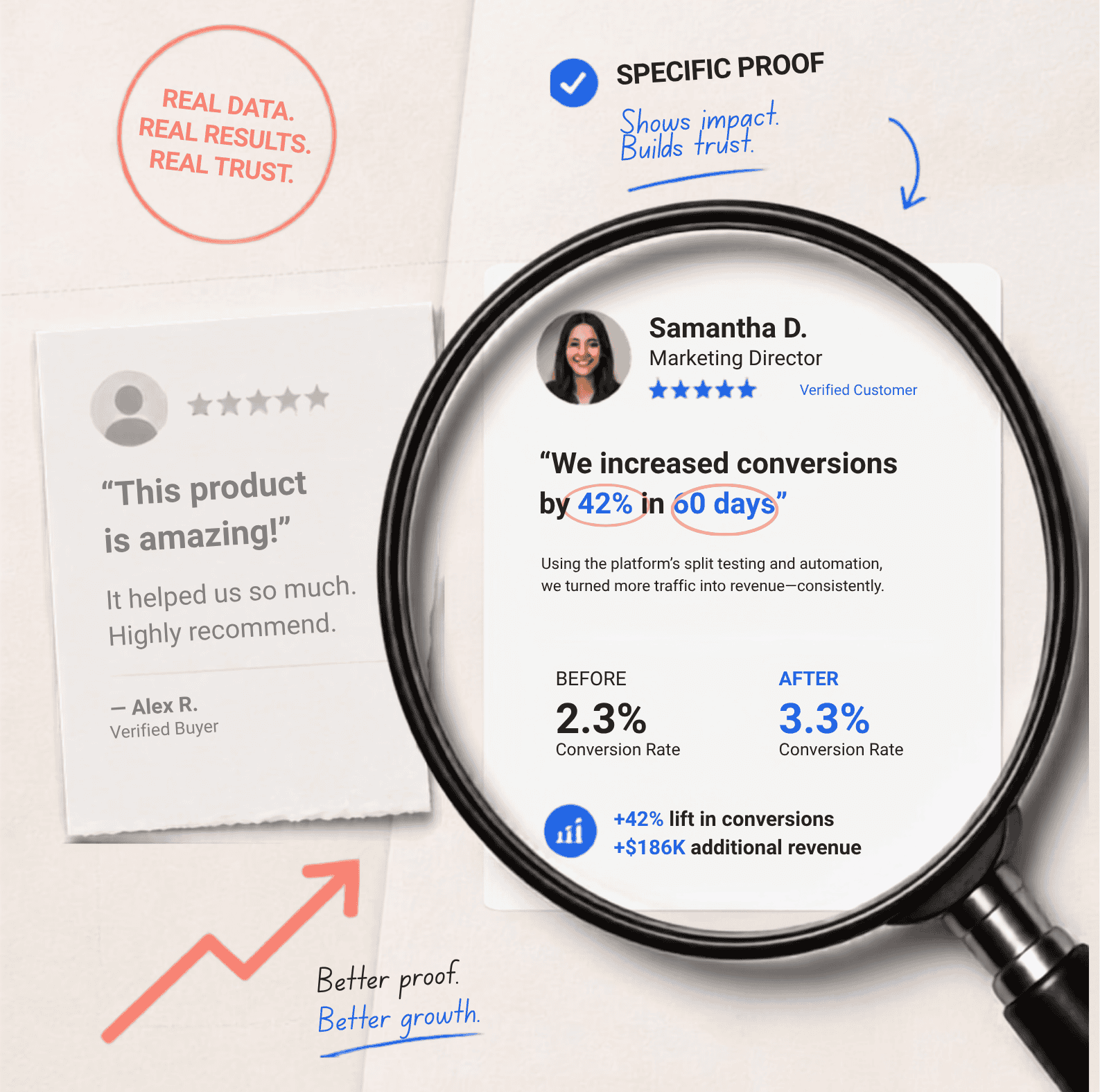
A lot of people know they need social proof but use it in a weak way. They add one vague testimonial that says, great experience, highly recommend, and call it a day.
Better proof is specific. It shows results, transformation, speed, ease, or confidence. It sounds like a real person with a real before-and-after.
If you’re new and do not have many client testimonials yet, use other forms of proof. Show your process. Share a mini case study from your own business. Walk people through your framework. Demonstrate expertise through clarity.
Proof is not only about screenshots and revenue claims. It is about helping the buyer feel, this person knows what they’re doing and can help someone like me.
Track what people do, not just what you hope happens
Funnels are not build once and done forever. The first version is a test.
You need to know where people are dropping off. Are they clicking the ad but not opting in? Visiting the sales page but not buying? Opening emails but not booking calls? Each of those points to a different problem.
Low opt-in rates usually suggest weak positioning, unclear value, or a mismatch between traffic source and page promise. Strong opt-ins but poor conversion may mean your follow-up is weak, your offer is off, or your audience is not qualified enough.
This is where simple metrics help. Look at landing page conversion rate, email open and click rates, booking rates, and sales conversion. You do not need a complicated dashboard at the start. You just need enough data to make better decisions.
Common funnel mistakes freelancers make
One is trying to copy ecommerce funnels for service businesses. Another is sending traffic to a homepage and expecting visitors to figure things out themselves. A homepage can support your brand, but it is rarely your best conversion page.
Another common issue is asking for too much too soon. If your audience is cold, asking them to buy an expensive offer immediately can work in some niches, but often it performs better when paired with stronger trust-building.
There is also the opposite problem: too much nurturing, not enough selling. Some freelancers build beautiful email sequences that educate forever and never clearly ask for the sale. If people are a good fit, make the next step obvious.
And yes, tools can become a distraction. Platforms like ClickFunnels, Systeme.io, GoHighLevel, Leadpages, Kajabi and WordPress can all work. The best platform isn’t the one with the most features -it’s the one you can actually use, maintain, and improve over time without wanting to throw your laptop out the window.
Keep your first funnel simple enough to launch fast
You do not need a massive automated machine to start. A very effective first funnel might be one landing page, one thank-you page, three to five emails, and one booking page. That is enough to generate leads and learn what your market responds to.
Once that works, then optimize. Add segmentation. Test headlines. Improve your offer. Build better automation. Create stronger retargeting. But earn the complexity. Do not start there.
If you offer funnel building as a service, this mindset also makes you better at selling it. Clients do not need more tech confusion. They need a system that helps them get leads and sales with less guesswork.
That is the real power behind learning this skill. When you know how to build sales funnels well, you are not just making pages. You are creating a conversion path that saves time, increases revenue, and makes your business feel more stable.
Start with one offer, one audience, and one goal. Build the simplest path that gets someone from interested to ready. Then watch the data, tighten the message, and improve from there. That is how small freelance businesses turn into serious income engines, one smart funnel at a time.