
This post may contain affiliate links. If you use these links to buy something we may earn a commission at no extra cost to you. Thank you for your support!
A weak ad usually fails in the first line. You read, you go blah, and you move on.
Not because the offer is bad, but because the message is vague, flat, or trying too hard to sound clever. (or maybe you’re just not their target audiences – that works too, but in essence, a good hook reels both sides in – target audiences or not).
That is why studying ad copywriting samples is one of the fastest ways to sharpen your eye as a freelancer, marketer, or business owner. When you can spot what makes a line click, your own writing gets stronger much faster.
This is especially useful if you want to offer copywriting services as a freelance offering. Clients do not just want clever lines. They want clicks, leads, purchases, and lower cost per result. Good samples help you reverse-engineer what makes potential customers pay attention and take action.
What Good Ad Copywriting Samples Actually Show You
The best copywriting examples do more than sound catchy. They reveal the strategy underneath the sentence. Great ad copy usually has a few things working together: a clear audience, a specific pain point or desire, a believable value proposition, and a next step that feels easy to take.
That matters because beginner copywriters often focus only on wording. Experienced freelancers know wording is the surface layer. The real job is matching message to market. A simple sentence aimed at the right people, your actual buyer persona, will outperform a smart-sounding line aimed at everyone.
Good copywriting also does not follow one formula. A direct-response Facebook ad, a Google Ads headline, and a short social media post all play by slightly different rules. The better your sample library, the easier it is to adapt your advertising copy across different platforms. That range is what clients pay for.
15 Ad Copywriting Samples and Why They Work
1. Problem-First Lead
Sample: Still spending hours on invoices every month? Our bookkeeping service organises your records, sends reports, and helps you stay tax-ready.
Why it works: This is a great example of what copywriters call a problem-first lead. It starts with a specific frustration, your target audience immediately knows “yup, that is me.” Then it moves into practical outcomes instead of vague claims like “save time and grow faster.”
If you write for small business owners, this structure is gold. The problem-first lead is one of the best ways to stop the scroll because it makes the reader feel seen before you have even pitched anything.
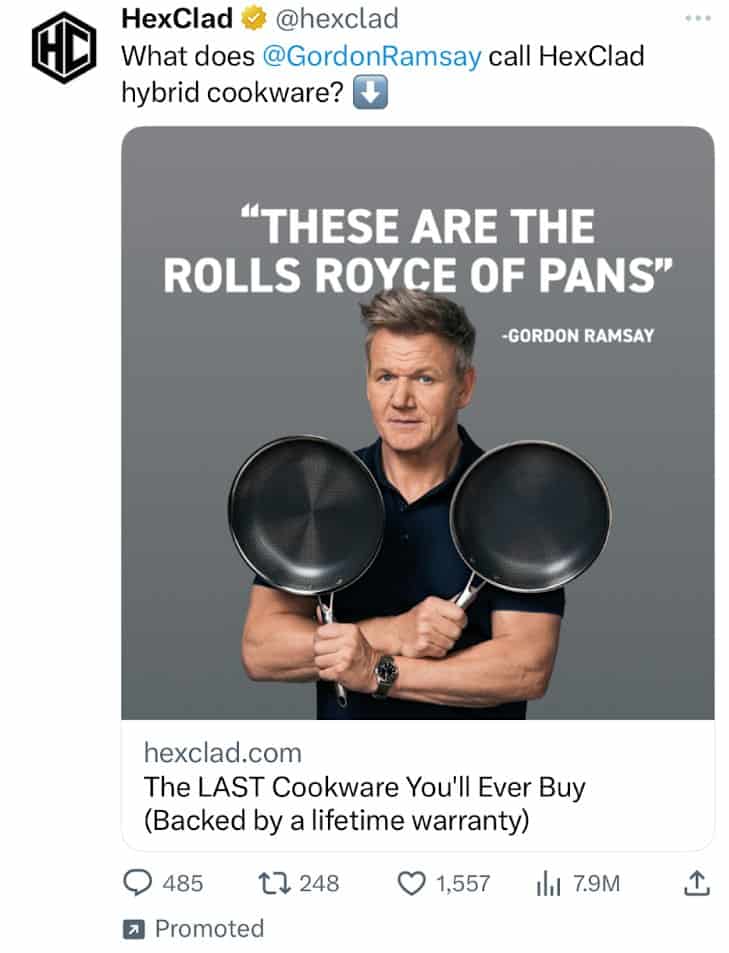
📌 Real example to study: HexClad cookware runs Facebook ad copy that opens with the line “What does Gordon Ramsay call us?” – immediately speaking to a specific audience’s frustration with replacing cheap pans repeatedly. The body copy then pivots to outcome: “The only cookware you buy once.”
Putting Gordon Ramsay is a definite show stopper, for sure – I don’t cook, and even I want to buy these damn pans! 😂
2. Outcome-First Lead
Sample: Launch your sales page in 7 days, without writing a word yourself.
Why it works: This angle works well when your target audience wants speed and relief. It is especially effective for freelancers selling done-for-you services. The trade-off is that bold outcomes need support. If the promise feels too big or too broad, potential buyers stop believing you. A strong outcome-first lead has to be specific enough to feel credible.
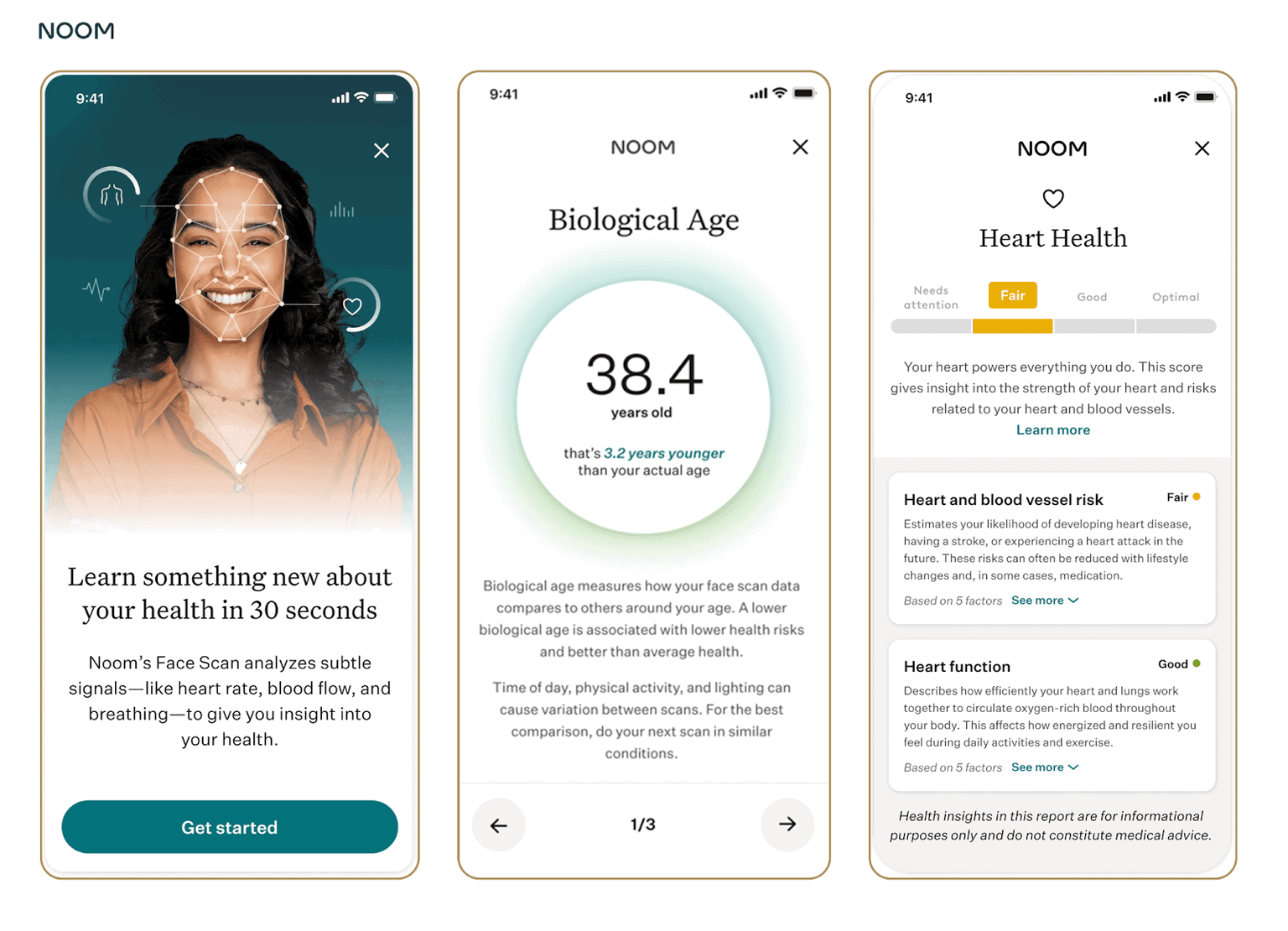
📌 Real example to study: Noom’s Facebook ad copy leads with a specific customer result. A real number tied to a real person – “See you biological age”, and then pairs it with a low-pressure CTA: “Take this FREE 5-minute quiz.” The first step feels like getting value, not making a commitment.
3. Curiosity With Specificity
Sample: The 3-line email subject line tweak that helped one coach double webinar sign-ups.
Why it works: Curiosity works best when it is anchored in something concrete. “3-line email tweak” is far stronger than “secret strategy.” Notice how the word “subject line” does heavy lifting here. It tells the reader exactly what kind of advice is coming. Good ad copywriting does not tease for the sake of it. It gives just enough detail to feel real and specific enough to feel trustworthy.
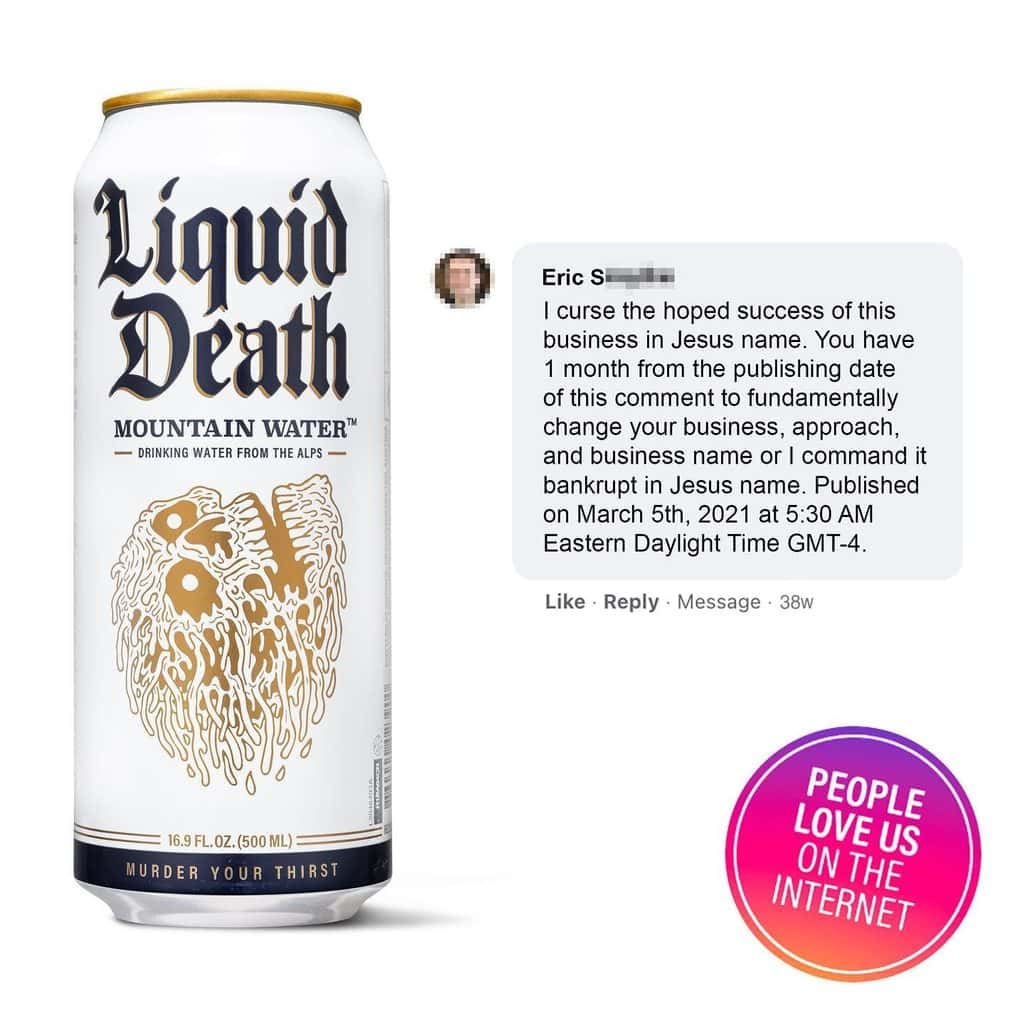
📌 Real example to study: Liquid Death built an entire brand voice around this kind of bold, specific curiosity. Their tagline “Murder Your Thirst” does not explain the product but it makes you want to know more.
Until I saw that it was only Mountain Water, honestly, I wasn’t going to buy or go near it – look at the skull on the can! OMG. But what made me laugh out loud was the curse – done, in no less, than in Jesus’ name! And a stamp saying people love them on the Internet was icing on the cake. Such humor!
It leads to natural curiosity – what drink is this, named so strangely, that evokes such strong emotions in people?
4. Authority Without Sounding Arrogant
Sample: Trusted by 120+ ecommerce brands to write ads that turn browsers into buyers.
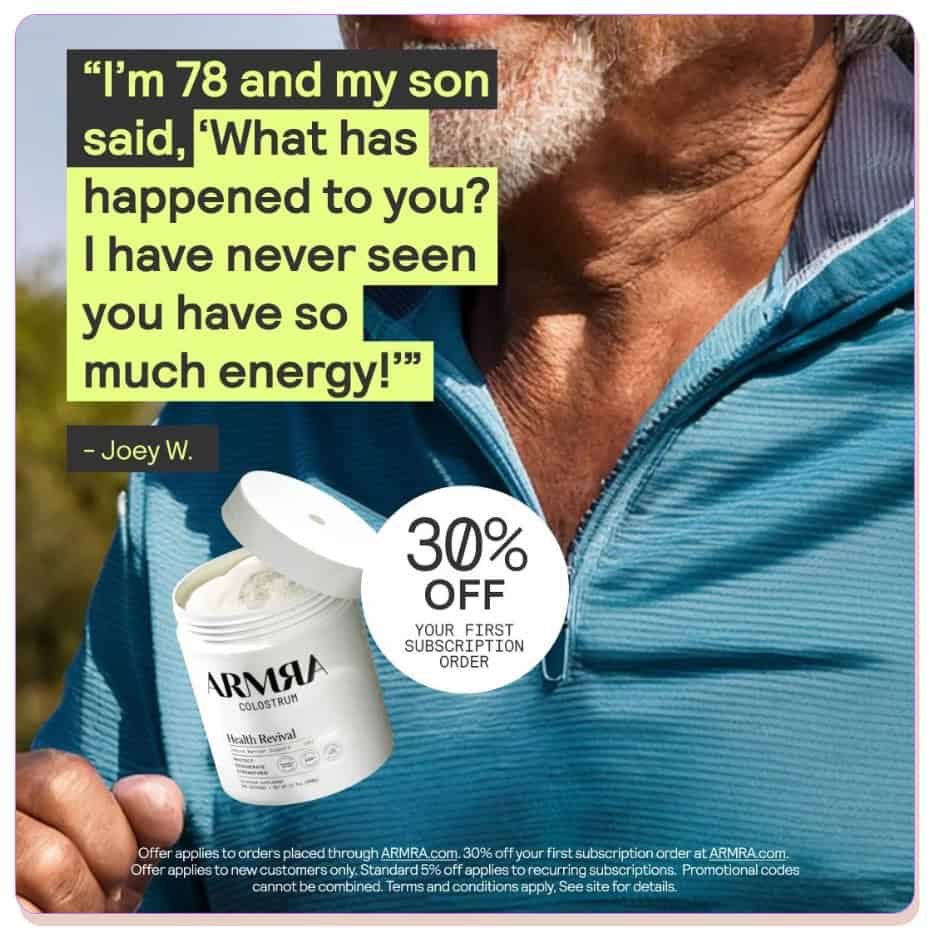
Why it works: Social proof can lift response fast, especially in crowded markets. But numbers need context. If you are a newer freelancer, do not fake authority. Use a smaller but true proof point instead, think the number of projects completed, a niche you know well, or a specific result you have delivered. Happy customers saying something on your behalf will always outperform your own claims.
📌 Real example to study: Armra has a cute ad about a testimonial or customer review that also offers a discount to a subscription in the same frame.
5. Before-and-After Transformation
Sample: Go from random posting to a content system that brings in leads every week.
Why it works: This works because it shows movement. Potential buyers make decisions based on the gap between their current state and their desired state. A strong transformation line keeps both sides vivid. This is especially common in successful ads for coaching, digital marketing, and education, anywhere your buyer is stuck and wants a clear path out.
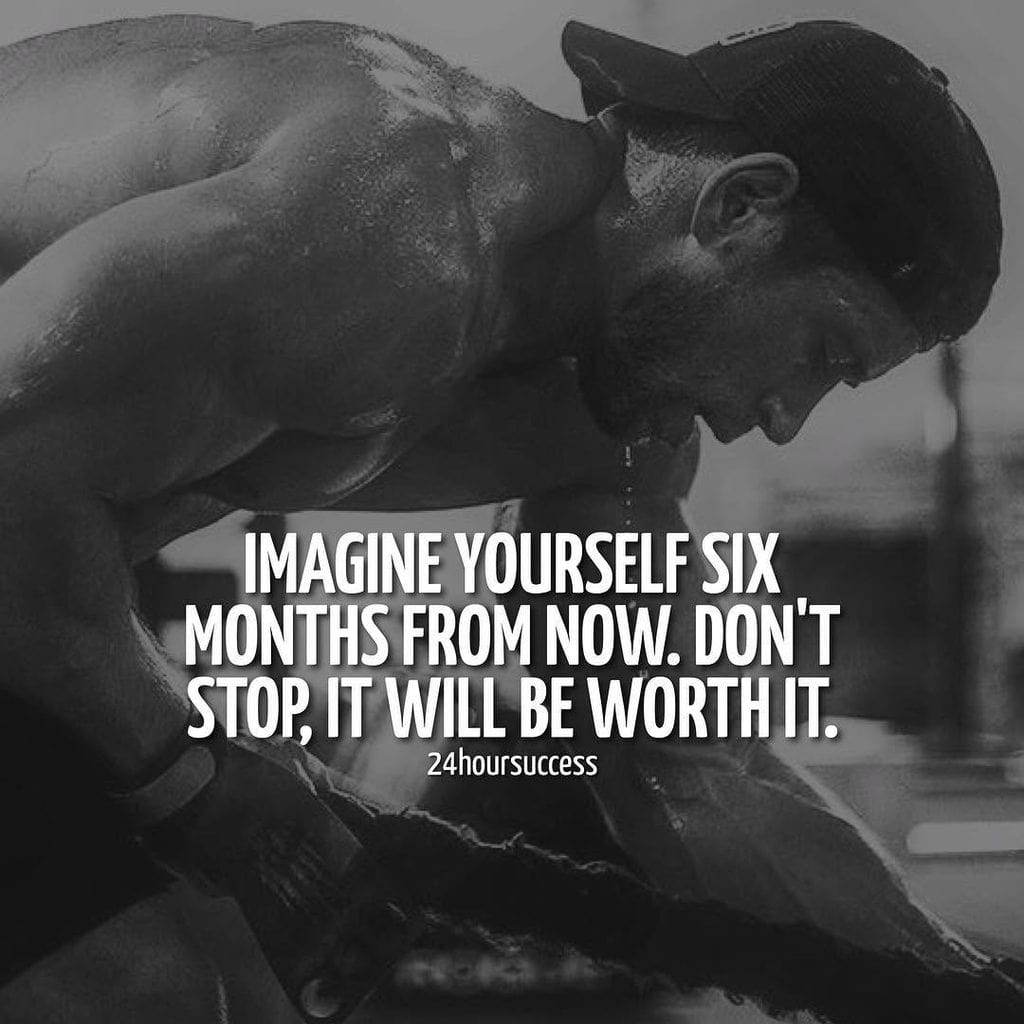
📌 Real example to study: The classic before-and-after format in advertising copy goes back to direct mail ads and newspaper ads of the mid-20th century. Think of old-school sales letters that opened with “Imagine your life six months from now.”
The structure has not changed, only the platform has. Compare how modern Facebook ad copy uses the same arc, just compressed into a two-sentence hook.
6. Fast Objection Handling
Sample: No retainer. No long contract. Just high-converting ad creatives when you need them.
Why it works: Sometimes the biggest conversion lift in your advertising campaigns comes from removing friction. This sample handles commitment fear early, which is smart for price-sensitive or cautious buyers. It will not fit every offer though. High-ticket copywriting services or premium programmes sometimes need more qualification, not less.
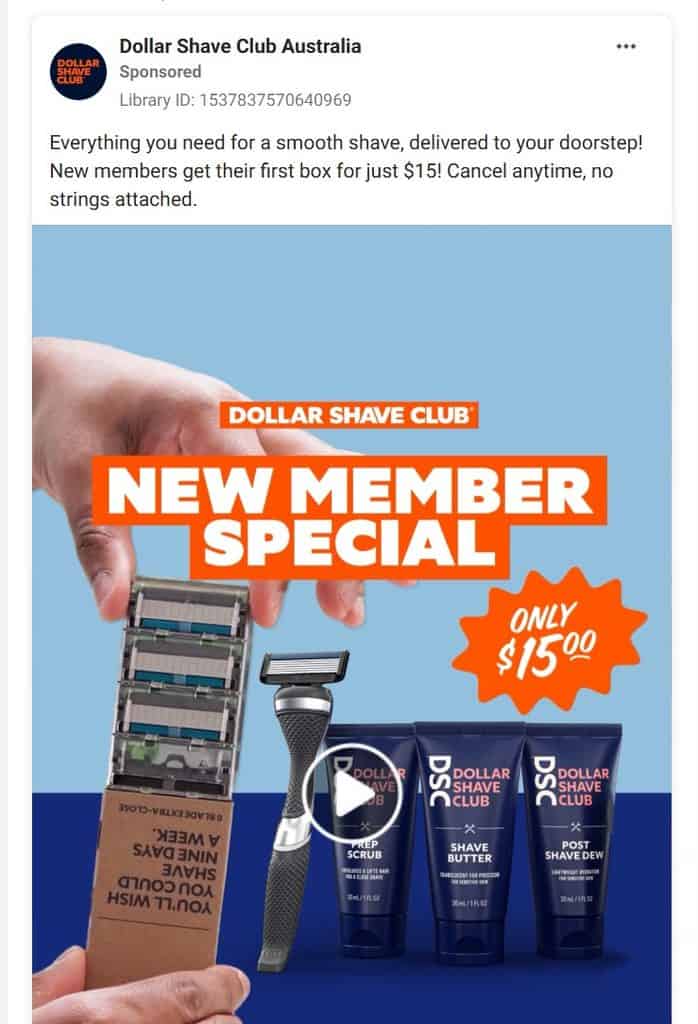
📌 Real example to study: Dollar Shave Club’s Facebook ads and social media posts built the entire brand on objection removal. Their copy, which sproutsocial.com notes “cuts directly to the point”, handles the unspoken objection (razors are overpriced and complicated) in the first breath, then removes every barrier to switching.
7. Pain With Emotional Language Kept Controlled
Sample: If your landing page is getting traffic but no sales, the issue may not be your offer. It may be your copy.
Why it works: This kind of ad works because it names a frustrating situation without becoming dramatic. Controlled emotion tends to perform better in professional and digital marketing spaces than overhyped, fear-based writing. The sentence also positions the writer as a problem-solver, not just a service provider, which attracts better clients. A clear call to what the reader should do next makes this structure complete.
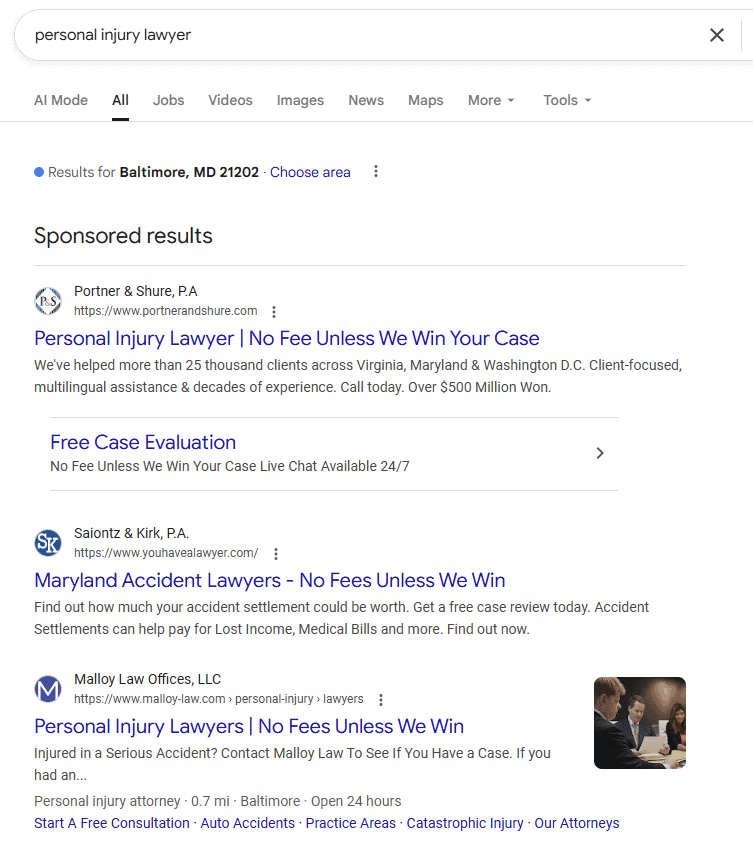
📌 Real example to study: Portner and Shure’s Google Ads copy builds emotional connection from the very first headline without tipping into melodrama. You can find their ads by searching relevant legal keywords in your area. Notice how the copy stays measured and specific with no sensationalism.
I personally really like how they say there’s no fee unless they win your case – which is great, because we all know how so many attorneys can be sharks.
8. Simple, Direct Google Ads Copy
Sample: Freelance Ad Copywriter for Ecommerce Brands | Meta Ads, Google Ads & Landing Pages Built to Improve ROAS
Why it works: Google Ads are seen in Google search results by people who are already looking for a solution. Your job is to match their intent quickly, not to be clever. Search ads reward clarity over creativity. This is one of the best practices for Google Ads that most beginners miss…they try to write personality into a format that rewards precision.
If you freelance in paid ads or copywriting services, mastering this straightforward structure is worth more than any amount of creative copy flair.
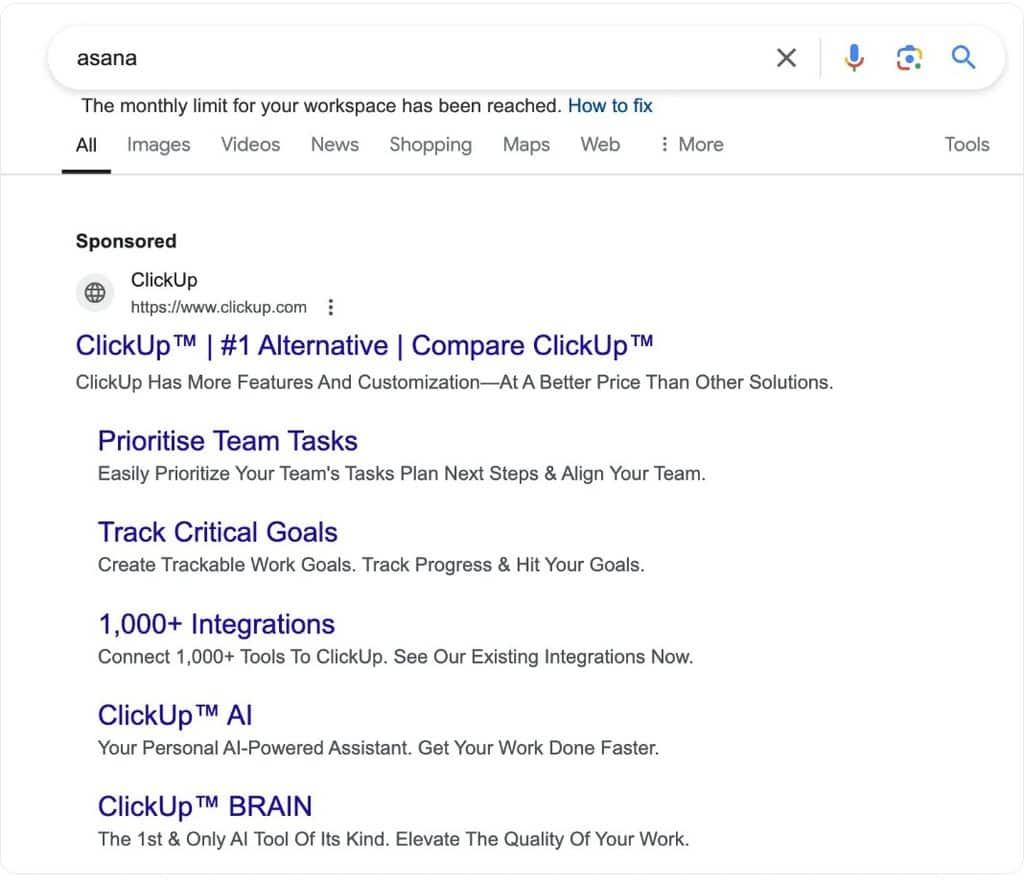
📌 Real example to study: ClickUp‘s Google Ads copy is a widely cited example of power words and benefit stacking done right. They use phrases like “Free Forever” and lead with the specific audience (remote teams, project managers) right in the headline. Search “project management software” and you will likely see their active ads at the top of Google search results.
9. Benefit Stack in One Sentence
Sample: Get ad copy, headline testing ideas, and creative angles in one weekly package.
Why it works: This works well when your service includes multiple deliverables. It helps the offer feel fuller without turning into a long list. Describing product features one by one in bullet points feels like reading a spec sheet. Stacking them in a single sentence feels like a complete solution. Just make sure the stack is still easy to understand at a glance. If your reader has to reread it, you have lost them.
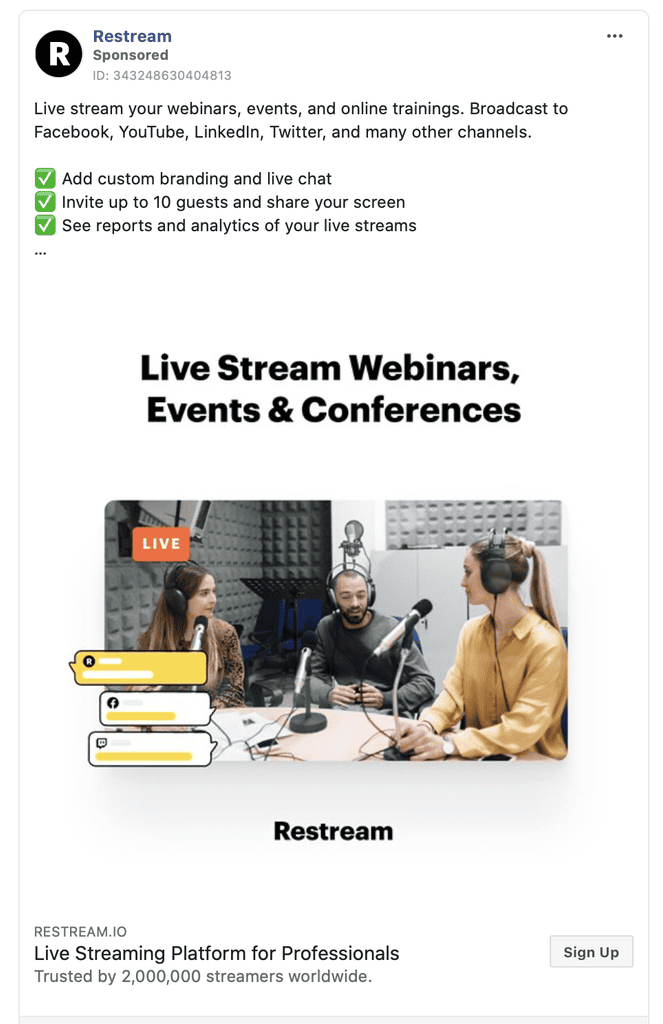
📌 Real example to study: Restream’s Facebook ad copy is a good example of the benefit stack done well…short, direct, with the key benefit (multi-platform streaming) obvious in the first read.
10. Cost-of-Inaction Angle
Sample: Every day your product page stays unclear, you are paying for traffic that never converts.
Why it works: This angle reframes the problem from inconvenience to lost money, which speaks to your buyer persona’s actual business stakes. It is powerful for conversion-focused copywriting services. But use it carefully. If every line sounds like pressure, the ad starts to feel heavy and your advertising copy loses its credibility.
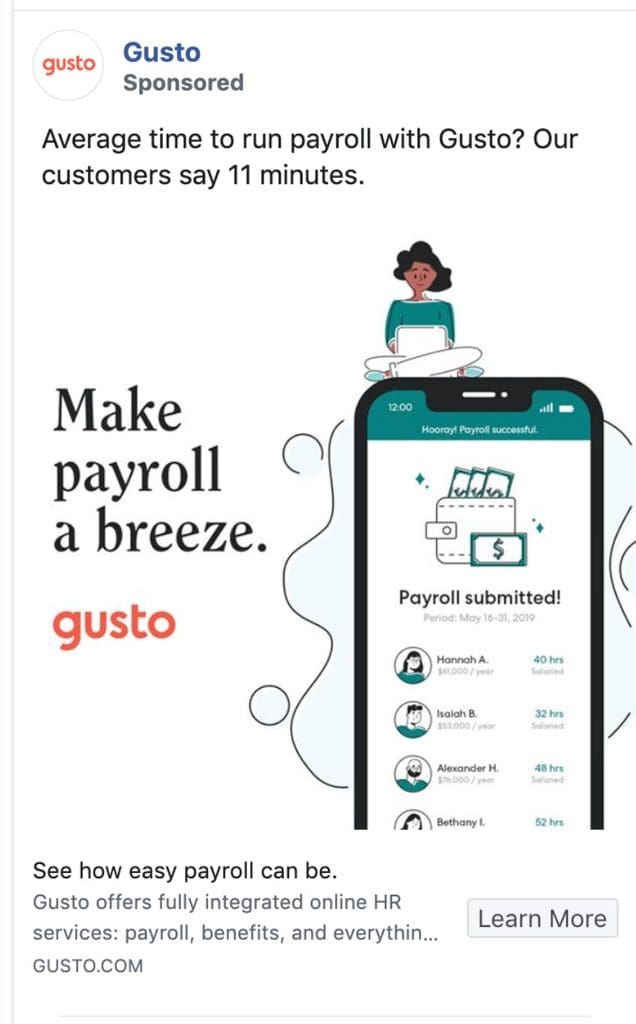
📌 Real example to study: Gusto’s Facebook ad copy takes a version of this approach for payroll software. The headline is simply: “Payroll just got easier.” Then the creative does the heavy lifting, an actual screenshot of the product dashboard showing the work being done. The implication is clear: if you are not using this, you are doing it the hard way.
11. Audience-Specific Callout
Sample: Coaches, consultants, and course creators…if your ad clicks are up but calls are down, read this.
Why it works: A direct callout to a specific audience increases relevance fast. It also helps qualify the lead. This is useful when you want fewer but better-fit inquiries from potential customers. The downside is obvious: the narrower the callout, the smaller the immediate audience. But for most service-based businesses, a smaller and better audience is a competitive advantage.
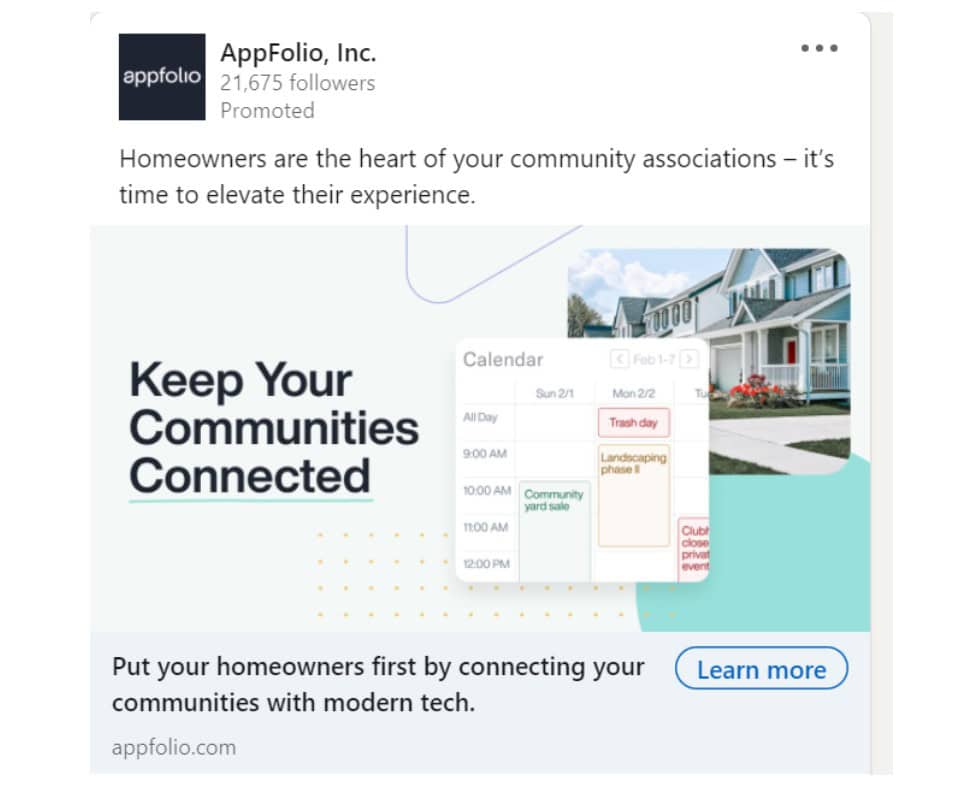
📌 Real example to study: AppFolio’s calls out its target audiences directly and offers its services expertly, leaving you thinking there’s no other option but to go with them.
12. Contrarian Angle
Sample: More traffic is not the answer if your messaging is confusing.
Why it works: Contrarian openings work because they interrupt assumptions. They are especially strong in saturated spaces where everyone repeats the same advice, and digital marketing is full of that. But the contrarian point has to be true and supported, not just different for the sake of getting people’s attention. If your ad sets up a contrarian claim and the landing page does not back it up, you have lost the plot.
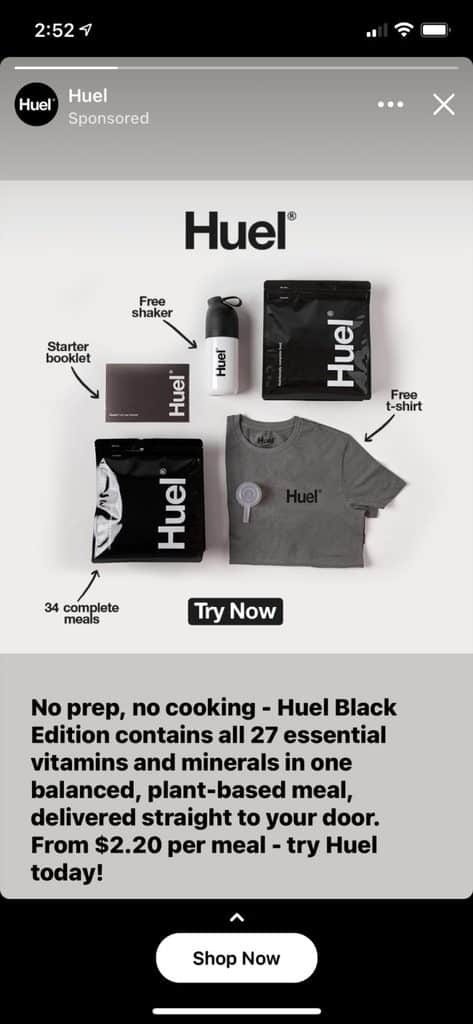
📌 Real example to study: Huel’s Facebook ad copy takes a contrarian approach to comparison advertising. Instead of claiming to be better than instant noodles in every way, they match the 5-minute prep time:”a subtle but trust-building move,” then lean into their actual strengths. The contrarian angle here is honesty: we do not win every category. Customers respect that more than bravado.
13. Educational Ad
Sample: Most ads fail for one simple reason: they talk about the business, not the buyer. Here is how to fix that.
Why it works: Educational copy can perform very well for warm audiences and freelancers building trust through content. It positions you as a guide instead of just a seller. For copywriting services leads, this often attracts better clients because they already value strategy. Educational ads do a lot of heavy lifting in a content funnel. They warm cold traffic and convert warm traffic in the same format.
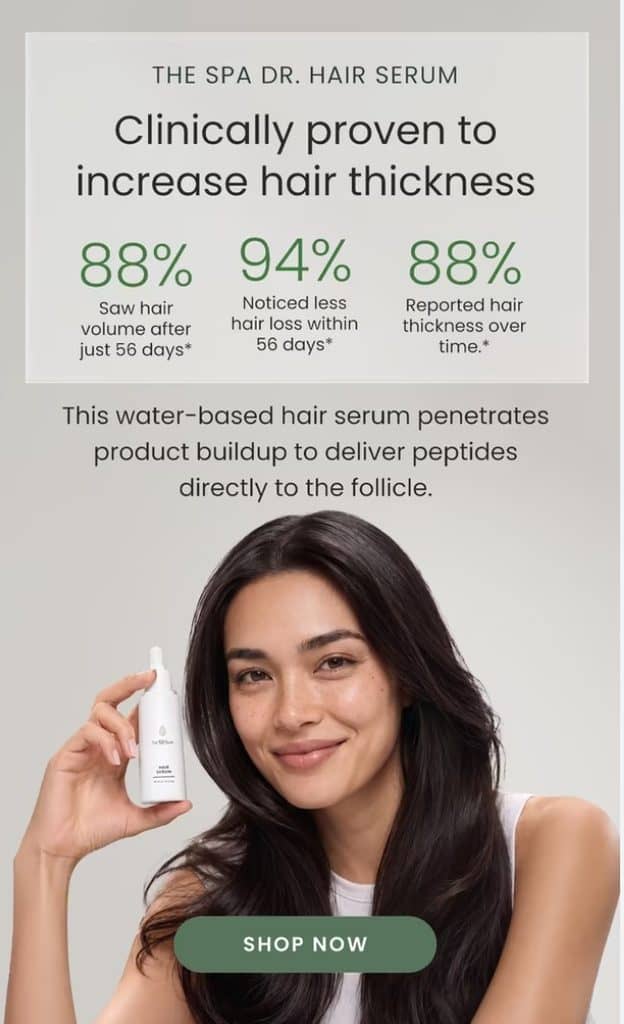
📌 Real example to study: The Spa Dr. ran a Facebook ad that repurposed press coverage, a newspaper article about their skincare method, and used that third-party validation as the educational hook. The ad layered credibility through appearances on a well-known TV show and other media. First the article, then the embedded endorsement, then the clinical results – always a trust builder.
14. Testimonial-Led Ad
Sample: “We cut our cost per lead by 34% in one month.” See the ad messaging strategy behind the result.
Why it works: This gives proof and a reason to keep reading. The best testimonial-led ads use specific numbers or outcomes from real people. Generic praise like “amazing service” is far less persuasive than a specific result with context. Even in a single ad, a short quote from a real person carries more weight than brand awareness language ever could.
📌 Real example to study: The New York Lottery’s “Hey, You Never Know” campaign, created by DDB New York and running from 1992 onwards, is a perfect example of testimonial-style storytelling in advertising copy. It used ordinary real people imagining what they would do with their winnings, not celebrities. The campaign won 81 national and international advertising awards between 1993 and 1995. The famously memorable tagline became a famous tagline embedded in New York pop culture.
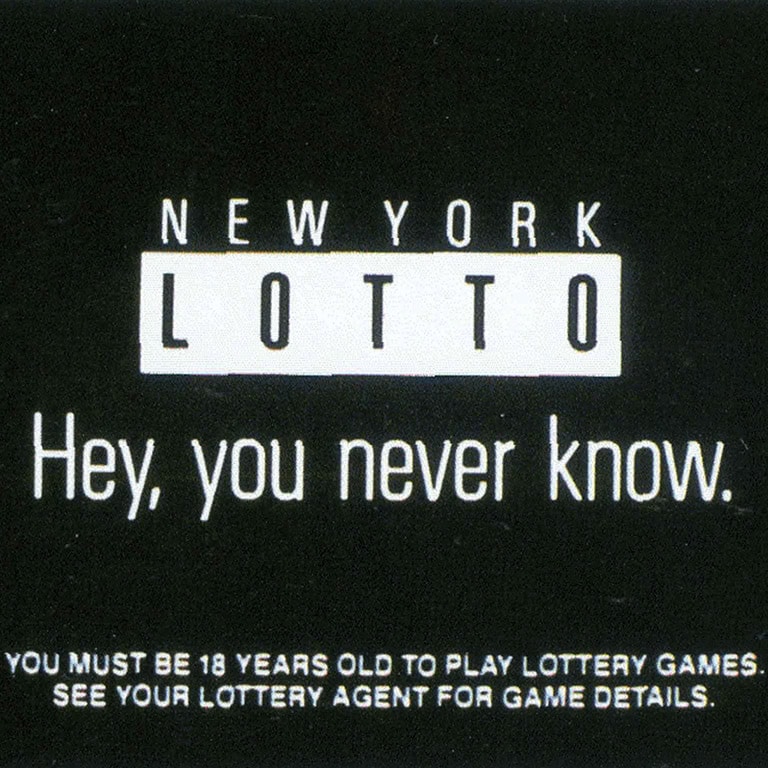
Image from the One Club for Creativity
15. Soft CTA for Colder Audiences
Sample: Want a few fresh angles for your next campaign? Grab these ad hooks and test them this week.
Why it works: Not every ad should push for an immediate sale. For colder audiences seeing a single ad in their social media feed, a low-pressure next step often converts better than an aggressive pitch. Action verbs matter here, “grab,” “test,” “try” feel lighter than “buy” or “sign up.” This is where lead magnets, free trials, and mini resources do a lot of heavy lifting in your advertising campaigns.
📌 Real example to study: Old Spice’s 2010 “The Man Your Man Could Smell Like” campaign is the great example of a soft CTA disguised as pure entertainment. The ad did not push a hard sell. It was so entertaining that people shared it, watched it again, and sought out the product themselves. The campaign, created by Wieden+Kennedy and starring Isaiah Mustafa, targeted female viewers buying for male partners, went viral, won the Grand Prix at Cannes, and pushed Old Spice sales up more than 170% in under a year. The CTA was almost irrelevant. The creative copy did all the work.
The body copy of the ad is a masterclass in brand voice, contrarian audience targeting (selling men’s products to women), and creative copy that builds brand awareness before it builds sales.
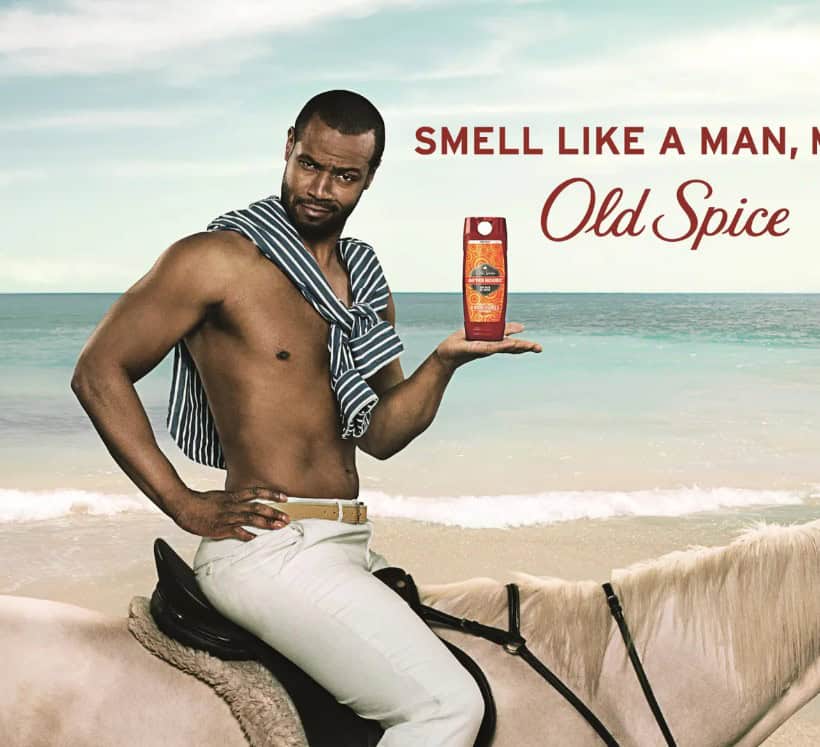
Image from Marketing Dive
How to Use Ad Copywriting Samples Without Copying Them Badly
This is where many freelancers and business owners go wrong. They collect copywriting examples, then swipe the wording too closely and end up with advertising copy that feels generic. The smarter move is to study the structure, not the sentence.
Ask yourself what job each line is doing. Is it calling out the specific audience? Surfacing a pain point? Adding social proof? Lowering resistance? Once you know the function, you can rewrite the idea for a different offer and market. That is the real writing process: understanding the strategy, then applying it to your context.
For example, “Still spending hours on invoices every month?” could become “Still rewriting social media posts from scratch every week?” The pattern stays the same, but the context changes. That is how you build original advertising copy that still benefits from proven frameworks without copying anyone’s brand voice.
What Makes One Copywriting Sample Strong on One Platform and Weak on Another
This part matters if you want to sell ad copywriting as a professional service. A sample that works as Facebook ad copy may flop in Google Ads. LinkedIn can support a more thoughtful, professional tone in its body copy, while a display ad needs to land in under two seconds. TikTok rewards the conversational hook; a sales letter rewards the slow build.
Platform behaviour changes what kind of copy wins:
- Google Ads — search traffic already has intent. Clarity beats cleverness. Match the language your buyer types into Google search results.
- Facebook ad copy — interruption-based. Your opening has to earn attention in a crowded social media feed.
- Display ads — brand awareness over conversion. Memorable over persuasive.
- Retargeting ads — can be more direct because potential buyers already know the brand.
- Print ads and newspaper ads — longer attention window, but no second chance. Headlines must stop the reader before they turn the page.
- Direct mail ads — trust-based. Readers are holding something physical. That changes how long they stay with your copy.
That is why your portfolio should not just show clever lines. It should show range. Keep a swipe file of samples across different formats: Facebook ad copy, Google Ads, social media posts, email subject lines, landing page headlines, and even old-school print ads. Clients love seeing that you understand the full funnel — and the best ad copy examples in your swipe file should reflect that.
A Simple Framework to Write Your Own Stronger Ad Copy
When you need to write effective ad copy from scratch, start with four questions:
- Who is this for? (Buyer persona, not “everyone”)
- What problem or desire is most urgent right now?
- What outcome can you credibly promise?
- What is the easiest next step?
Then test different entry points. Start one version with the pain point. Start another with the result. Try a third with social proof. Then check your Google Analytics and ad platform data to see what your specific audience actually responds to, not what you think sounds best.
You do not need a fancy formula, lah. You need a few smart variations built on real buyer psychology, tested against real data.
If you are building a freelance business around copywriting services, keep adding to your swipe file and label each example by angle. Over time, you will notice patterns. Certain niches respond well to transformation. Others care more about social proof, speed, or risk reduction. Some audiences want new products explained carefully; others want the key benefit in the first three words. That pattern recognition is where your rates start to climb.
The Good News About Great Ad Copy
Strong advertising copy is rarely about sounding like a genius. It is about making the right promise to the right people in the clearest possible way. The best ad copy examples in history, from the New York Lottery’s “Hey, You Never Know” to Old Spice’s “The Man Your Man Could Smell Like” to Liquid Death’s “Murder Your Thirst”, all understood that good reason to click, buy, or share is never about the brand. It is always about the buyer.
Keep collecting ad copywriting samples. Keep building your swipe file. But read them like a strategist, not a fan, asking what job each line is doing, which platform it was built for, and what the brand’s competitive advantage was in that moment. That shift in how you study good copywriting will make your next draft far more valuable than any template ever could.