
This post may contain affiliate links. If you use these links to buy something we may earn a commission at no extra cost to you. Thank you for your support!
Determining your rates as a character designer is tough, especially if you’re a freelancer. Setting a rate AND keeping to it regardless of client entreaties has to be one of the toughest things to do for freelancers.
It’s even more complicated when clients do not know or appreciate the number of hours and work you put in to get the job done.
Freelance Character Design Rates – An Introduction
According to ZipRecruiter, as of July 2026, the average hourly pay for a Freelance Character Artist in the United States is $22.97, which works out to roughly $47,772 a year, or about $918 a week if you’re the type who likes to break it down that granularly (I am).
In short, you charge based on a few main factors (more on that below):
➡️years of experience
➡️possible number of revisions
➡️how much work and time is required (estimated)
➡️if clients desire quick turnarounds (rush fees)
➡️and finally, if there are future projects incoming from said client (imagine being on a retainer basis)
Interested in becoming a freelance character designer but unsure what to charge for your services?
Freelance character design rates can vary greatly depending on several factors, including your level of experience, the complexity of the project, and the client’s budget. In recent years, the demand for freelance character designers has increased, and it’s important to know what the going rates are to ensure you’re being compensated fairly for your work.
One of the main factors influencing freelance character design rates is the amount of time and effort required to complete the project.
Some clients may have a specific character or a main character design in mind, while others may need you to create original characters from scratch. The complexity of the project can also affect your rates, as more detailed and intricate designs may require more time and skill to create.
Additionally, your level of experience can play a role in how much you should charge, as more experienced designers may be able to command a higher rate.
That said, a huge number of clients don’t actually know how to evaluate designer’s experience beyond “does the portfolio look nice,” so part of your job is teaching them what they’re actually paying for.
Freelance Character Design Rates 2026
At a glance, these are freelance character design rates for 2026:
| Skill Level | Experience Level | Job Scope | Hourly Rate |
|---|---|---|---|
| Beginner | Entry-level | Simple | $30 – $55 |
| Intermediate | Mid-level | Moderate | $55 – $85 |
| Advanced | Senior-level | Complex | $85 – $160 |
| Expert | Top-level | High-end | $160 – $320 |
Note that these rates are just estimates and can vary depending on various factors such as the designer’s location, client’s budget, and the specific requirements of the project.
It’s important to research industry standards and adjust rates accordingly to ensure fair compensation for your work.
Worth noting too: rates now vary a lot more by region than they used to.
Freelancers based in Eastern Europe, South Asia, and parts of Southeast Asia are regularly quoting $15–$45 an hour for the same quality of work that a North American designer might price at $40–$85, so if you’re a client comparing quotes, don’t assume the cheaper one is worse, and if you’re a designer competing globally, know your price range going in.
Key Takeaways
- Freelance character design rates can vary greatly depending on factors such as experience, complexity of the project, and client budget.
- Experience will mean you being able to come up with a well-crafted character while providing the client while maintaining great communication with the client throughout the design process.
- The demand for freelance character designers or concept art design has increased in recent years, making it important to know the going rates to ensure fair compensation.
- The hrs worth of work, the complexity of the project, and the amount of time and effort required are all factors that can impact your rates.
Freelance Character Design Rates: An Overview
Update: In 2026, Glassdoor puts the average Character Designer salary in the USA at $72,753 per year, or roughly $35 an hour. Beginner positions tend to start closer to $54,564 a year, while top earners (90th percentile) can hit $133,137 annually.
According to Payscale, as of 2026, freelance graphic designers with digital design skills average $57.50 an hour, with the middle range falling between about $20 and $77 an hour, and total annual pay landing anywhere from $34K to $167K depending on niche and experience. Graphic design prices in general have crept up since the early 2020s, and character design tends to command a premium over flatter graphic work because of the extra layers of concept development, revisions, and usage rights involved.
Similar to my previous post, this post is a guide as to how your can price your work fairly, and in being able to determine the reasons behind your pricing and higher rates (rather than just plucking figures from thin air), you may be able to justify them better and also hold firm when the client wants to negotiate.
Let’s go through how you can set your freelance character design rates!
What Is Freelance Character Design?

Character design is the creation of a character that stands out from all other characters in the same genre. Character artists need to create the shape, style, look, personality, and feel of the game character so it connects and resonates with the players.
Memorable characters from famous past games include:
Lara Croft from Tomb Raider
Mario from Donkey Kong, and
Cloud Strife from Final Fantasy VII
Final Fantasy
(Brings back memories, don’t they?)
I could go on, but you get the point. These are game characters with personalities and memorable moments. That is what a concept artist or a character designer creates for their clients.
In addition, they’ll need to create the anatomy, gestures, movements, outfits, different poses, and what the character looks like in all game scenarios.
For business owners, creating a great character requires much time and in some cases, years of experience and, therefore, much money. That’s where you come in.
As a freelance character designer, you’ll be responsible for bringing a client’s vision to life through your creative work.
One of the best things about freelance character design is that it allows you to work on a variety of projects and with different clients. You can work from home or anywhere with an internet connection, giving you the flexibility to work on your own terms. (Had to throw that in, heehee).
Character design freelancers create unique characters based on a client’s requirements.
More and more business owners are investing in these characters to develop mobile games, digital board games, video games, and more. It’s also worth remembering that “character design” isn’t a one-lane career anymore. Small businesses hire designers for logo design, business cards, and social media mascots.
Children’s books remain a steady, quietly lucrative niche. Some designers move into product design, where a character becomes the literal face of a toy line or packaging.
Others lean into character animation and motion design, and 3D animators who can also build clean 3D models and rig them tend to out-earn illustrators who only deliver a static art style. Point being: your skillset can stretch in a lot of directions, and it’s worth knowing which type of work you actually enjoy before you start pricing yourself for all of them equally.
Pricing Your Rates – Factors That Affect Your Going Rate
Freelance character designers offer a wide range of services, from initial concept creation to fully developed sprite sheets. When determining the character design price, the most important thing to take into account is the quality and scope of the project.
Professional character design services often begin with an initial concept, which can later expand to include additional elements like animation or environment integration. Some designers charge extra for these enhancements, as they require specific technical skills and a deep understanding of character development.
In any case, your final work is the one that determines if your charges were fair. A huge number of clients come to you with nothing more than initial ideas scribbled in a notes app, and it’s on you to turn that into real concept sketches worth paying for.
This is exactly why a detailed brief upfront saves everyone a headache later – vague briefs are how “one quick tweak” quietly turns into three rounds of revisions nobody budgeted for. Turnaround time and turnaround sheets (the multi-angle reference sheets studios need for rigging and animation) both belong in that brief too, since the level of detail requested changes your price range significantly.
There are different ways to price freelance work, depending on whether you’re working with a solo designer or a design studio. A well-executed project might feature detailed sprite sheets and advanced artwork, both requiring a high level of specific skills. Looking through case studies of previous work can give a good indication of the quality a designer can deliver.
Additionally, while freelance designers often work independently, it’s important to consider whether they offer benefits like health insurance, especially for long-term collaborations.
Your rate should also reflect the type of work involved – a custom character design built for a single commercial project with full usage rights attached should cost more than a similar piece meant for personal projects or a portfolio piece, purely because commercial use means the client keeps profiting off your design long after you’ve cashed the invoice. CGI professionals in particular should factor project management time into their quotes on ongoing work with a studio, since coordinating with riggers, animators, and the art director eats hours that never show up as a line item.
Clients also bring wildly different levels of creative direction and art direction to the table – some hand you a fully-baked mood board and reference deck, others hand you a single adjective and a prayer, and your quote should account for the difference.
The project’s complexity, the amount of time it will take to complete, and your level of experience are all important considerations.
You’ll also need to consider your client’s budget and specific needs to ensure you’re charging the right price. For designers trained through formal art or animation programs, some clients (particularly in the UK and parts of Europe) may ask how your training maps to something like SCQF levels, but in freelance character design, your actual portfolio and designer’s experience will do far more convincing than any qualification framework ever will.
There are a few possible options for pricing your freelance character design work. You can charge a flat fee for the project, set an hourly rate, or use value-based pricing to determine the overall cost. Whatever option you choose, ensure you completely understand the project and your client’s expectations before agreeing to a price.
If you’re just starting out as a freelance character designer, it’s a good rule of thumb to charge a lower rate (entry level rate) until you build up your portfolio and gain more experience. As you become more established, you can start to charge higher prices for your work.
Let’s jump right in as to how you as a freelance designer should be charging! (I use the term broadly. This includes being a freelance illustrator, graphic designer, and character designer).
How Much Should A Freelance Graphic Designer Charge
So, how much should a freelance character designer or graphic designer charge?
So, how much should a freelance character designer or graphic designer charge?
To get real job satisfaction and enjoyment in what you do, you should always be compensated fairly. It is very easy to fall into the trap of undercharging your work, and I’m sure many of us have been there, but then it is just as easy to feel unhappy over it at the end of the day when all is said and done.
You’ll feel as if you were taken advantage of and that you had put in way more hours than you felt you needed to, for the salary you were getting.
What should my freelance rate be?
There should be 3 ways to determine the right price:
A flat fee or a baseline fee; plus
Business costs – Consider if you’re outsourcing or using apps that require monthly subscriptions and taking into account the overall cost of this project.
And these days, most of the tools eating into your overhead run on ongoing subscription services rather than one-time software purchases, so build that recurring cost of graphic design work into your rates rather than treating it as a footnote;
Additional work required in the game development process – those usually not included in the flat fee, such as additional rendering, environment creation, and more.
Related: Read more on how you should charge as a freelancer
Components Of Freelance Character Design Rates
Here’s a table that outlines the average hourly rates for freelance character designers for different types of characters:
| Character Type | Hourly Rate |
|---|---|
| 2D Cartoon | $25 – $100 |
| 2D Photorealistic | $50 – $150 |
| 3D Cartoon | $50 – $150 |
| 3D Photorealistic | $75 – $300 |
Note that these rates are just estimates and can vary depending on various factors such as the designer’s location, client’s budget, and the specific requirements of the project. It’s important to research industry standards and adjust rates accordingly to ensure fair compensation for your work.
Related: Freelance web designer rates
How much should I charge for character concept art?
Main factors to consider when setting character design rates:
1. Time Frame
One of the biggest factors when it comes to deciding your price point will be to look at or estimate the number of hours required for the development of the cartoon character or game character.
Rush jobs will always be extra, and the client’s budget should reflect that.
If you have an hourly rate or a day rate, you’ll know how much you should roughly be charging – but that will be just the baseline rate – there are many other factors to consider!
2. The Skill Level (Or Level of Experience)
On top of the amount of time required to do the job, you will also need to check if the client’s requests include specific needs and a broader scope of work that will require you to do a large amount of research into the game character or bring more team members on board to ensure this character comes to life in the best way. The final product needs to reflect the client’s brand identity accurately for you to come across as the best character designer to your client, just so you get more retainer jobs.
On top of that, if this is not your first year as a designer, you’ll more than likely have enough experience to know how you can deliver great work and even give valuable suggestions to your clients, ie coming across as a consultant.
3. Complexity And Team Structure
Characters come in 2D and 3D versions.
Basically, 3D photorealistic designs will cost more and take more time to complete than 3D cartoon characters.
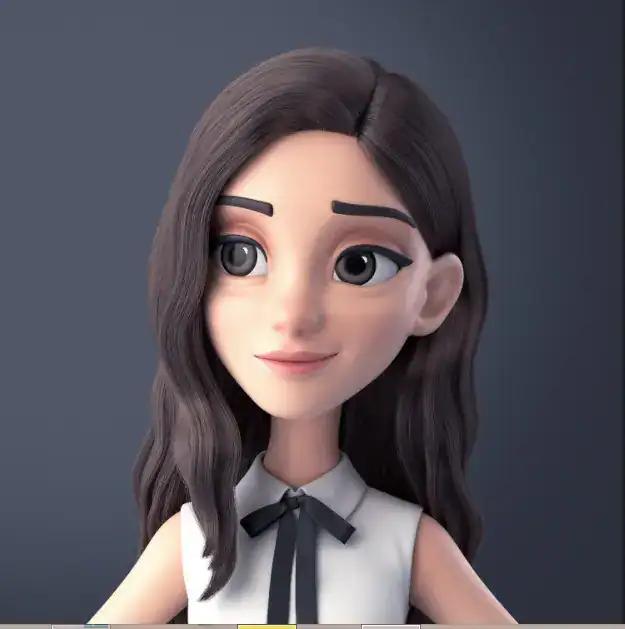
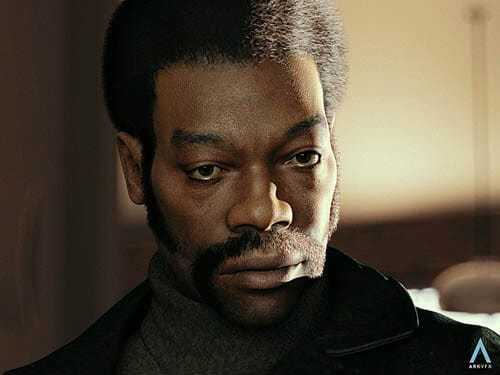
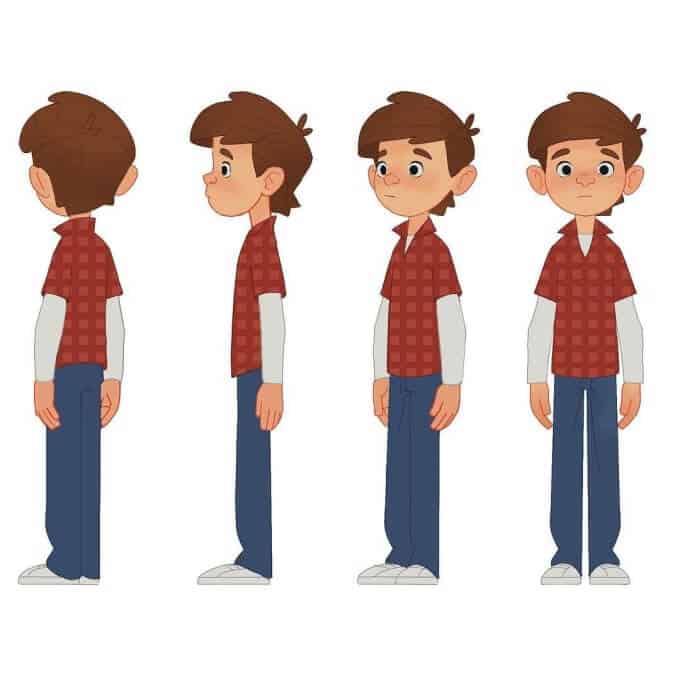
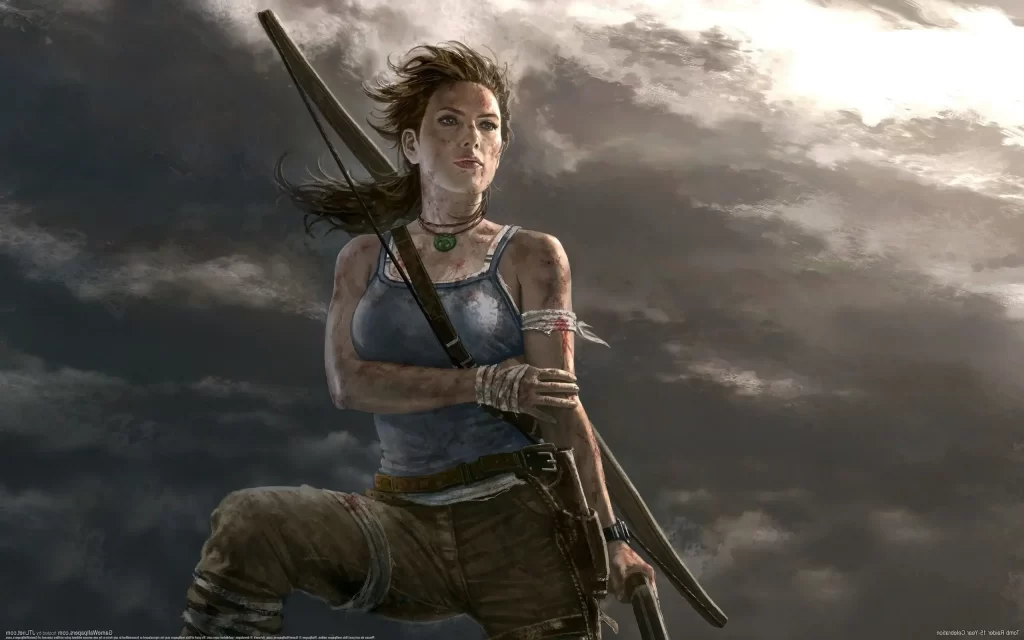
2D photorealistic designs will also cost more and take a longer time to complete than 2D cartoon characters.
4. Other additional factors
Character design pricing may include a host of other factors and specific needs, such as the number of animations and poses you’re required to come up with, editing, pre-animation, and more. All these will lead to you charging a higher price.
How Do I Price Myself As A Freelancer?
Back to the question: How much should a freelance artist charge?
As a freelance designer, your freelance rates can be more straightforward.
If you’ve done many designs over time and have enough experience to know the amount of work that is going to go in and if the project requires a lot of time, you’ll be able to come up with a fair estimate very quickly.
For newer freelancers, so that you get a fair rate and deliver high-quality work, a great way will be to calculate your base hourly rate using this formula:
Total desired annual earnings (Nett)/ Number of weeks worked in a year (Minus out some weeks for vacation and rest)/ Number of hours you want to commit to in a week.
If you prefer a more in-depth calculator that takes your business costs, outsourcing, and taxes into account, you can check out this Google sheet.
Pricing Structures in Freelance Character Design Rates
Here’s a table that summarizes the different pricing structures for freelance character designers:
| Pricing Structure | Description |
|---|---|
| Flat Fee | Charge a set price for the entire project, regardless of how much time it takes to complete. Good for clients with a clear idea of what they want and a set budget. |
| Day Rate | Charge a set rate for each day worked on the project. Good for clients who need a lot of work done in a short amount of time. |
| Value-Based Pricing | Pricing structure that takes into account the value that your work brings to the client. Good for clients who are looking for a high-quality product and are willing to pay more for it. |
| Average Hourly Rate | The average hourly pay for a Freelance Character Artist in the United States is $22.97 in 2026, according to Glassdoor. However, this can vary depending on factors such as your level of experience and the complexity of the project. |
| Price of the Project | The price of the project will depend on factors such as the amount of work required and the client’s budget. It’s important to have a complete understanding of the project before providing a quote. |
| Lower Rate for Additional Work | If the client requires additional work beyond the scope of the original project, you may want to consider offering a lower rate for the additional work. This can be a great way to build a long-term relationship with the client. |
Remember that the best way to determine your freelance character design rates is to consider the specific needs of your client and the complexity of the project. By taking the time to understand these factors, you can provide a fair and accurate quote that both you and your client will be happy with.
When it comes to pricing your freelance character design services, there are several pricing structures to consider. A great place to start determining the right price for your work is to consider the specific needs of your client and the complexity of the project.
Flat Fee
One common pricing structure is the flat fee. This is when you charge a set price for the entire project, regardless of how much time it takes you to complete it. This is a good option for clients who have a clear idea of what they want and have a set budget in mind.
Day Rate
Another option is the day rate. This is when you charge a set rate for each day you work on the project. This is a good option for clients who need a lot of work done in a short amount of time.
Value-Based Pricing
Value-based pricing is a pricing structure that takes into account the value that your work brings to the client. This is a good option for clients who are looking for a high-quality product and are willing to pay more for it.
Average Hourly Rate
The average hourly rate for a freelance character designer is around $56.25 per hour, according to Talent in 2026. However, this can vary depending on factors such as your level of experience and the complexity of the project. (Glassdoor’s 2026 figures put the broader “Character Designer” role closer to $35/hour on average, so treat both numbers as a range rather than gospel, since freelance rates in particular swing hard based on region and niche.)
Price of the Project
The price of the project will depend on a few factors, including the amount of work required and the client’s budget. It’s important to have a complete understanding of the project before providing a quote.
Lower Rate for Additional Work
If the client requires additional work beyond the scope of the original project, you may want to consider offering a lower rate for the additional work. This can be a great way to build a long-term relationship with the client.
At the end of the day, the best way to determine your freelance character design rates is to consider the specific needs of your client and the complexity of the project. By taking the time to understand these factors, you can provide a fair and accurate quote that both you and your client will be happy with.
How Experience Affects Rates
When it comes to freelance character design rates, the level of experience is one of the main factors that determine how much you should charge. After determining your hourly rates, the next step is to add your skill level into the equation. As a professional illustrator, the more years of experience you have, the higher the rate you can charge for your services.
If you are a beginner, it’s best to charge a lower rate until you gain more experience. The Graphic Artists Guild Handbook recommends that freelance graphic designers charge between $75 to $150 per hour, depending on their level of experience. However, if you’re just starting out, you may want to charge a lower rate to attract clients.
The best way to determine your freelance character design rates is to consider the amount of work you will be doing and the number of hours it will take you to complete the project. You should also take into account any specific needs the client may have, such as a book cover or video game character design.
One great way to price your work is to offer a flat fee for the entire project. This is a good thing to do if you have a clear idea of the scope of the project and how much time it will take you to complete it. You can also charge a day rate if the project will take a lot of time, but you should make sure that you have a complete understanding of what the client wants before you agree to this pricing structure.
A good rule of thumb is to charge an average hourly rate of $50 to $100 per hour, depending on your level of experience and the complexity of the project. However, if you’re a highly experienced and sought-after designer, you may be able to charge even more.
When pricing your work, it’s important to take into account any additional work that may be required, such as revisions or changes to the original design. You should also consider any material costs, such as the cost of software or the number of polygons in a 3D model.
Finally, it’s important to remember that the intellectual property for the character design belongs to the client, not the designer. If you’re a freelance artist, make sure you have a clear understanding of who owns the rights to the final product before you agree to any work.
In recent years, value-based pricing has become a popular option for freelance designers. This pricing model takes into account the overall cost of character design, including the time and effort required to create the design, as well as the value that the design will bring to the client’s brand identity.
At the end of the day, the best way to determine your freelance character design rates is to do your research, consider your level of experience, and have a clear understanding of the client’s needs and budget. With these basic steps in mind, you’ll be well on your way to becoming a successful freelance character designer in the gaming industry.
Are Freelance Character Designers The Same As Concept Artists?
Concept artists are visual artists and illustrators who operate in both analog and digital environments. Their primary concentration is on creating and designing ideas, or concepts, for various media such as advertising, comic books, TV shows, movies, video games, animation, cars, and live entertainment.
So yes, it’s pretty similar.
Let’s Talk About AI (Because We Have To)
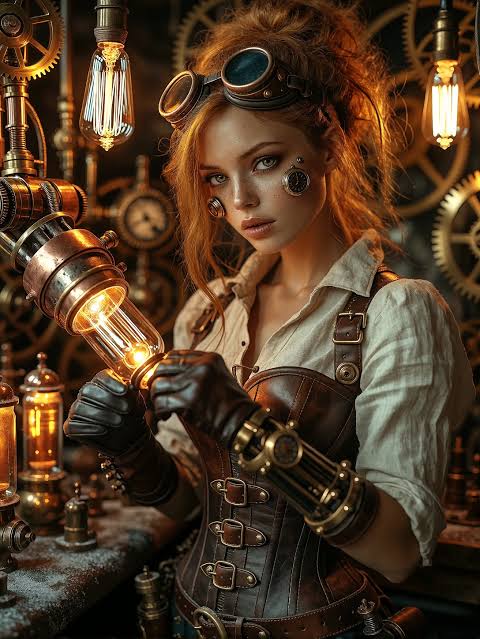
Image taken from Proxima Pictures
I’m not going to pretend this section doesn’t need to exist. If you’re a freelance character designer reading this in 2026, you already know why.
Here’s the honest, unglamorous version: AI has genuinely hurt parts of this industry. Freelancers who used to get steady work doing “execute” roles – clean-up, in-betweening, background characters, quick concept variations – have watched that pipeline shrink fast.
Reports on computer graphics roles showed something like a third of those positions disappearing between 2024 and 2025 alone, and if you’ve spent any time in artist communities on Reddit or in Quora threads on freelancing, you’ll recognize the tone immediately: people describing steady clients who quietly stopped calling, agencies asking for “AI-assisted” turnaround times that don’t reflect how long good work actually takes, and legitimate artists getting accused of secretly using AI just because their delivery got fast enough to look suspicious.
If any of that has happened to you, you’re not imagining it, and you’re not alone in it.
But the same threads also tell a more complicated story, and I think it’s worth sitting with both halves instead of just the scary one.
A 2026 survey of creators by Adobe found that the vast majority – somewhere north of 8 in 10 – now use generative AI tools somewhere in their workflow, and most of them say it’s sped up their business growth rather than replaced it outright.
Fiverr has leaned into this too, launching dedicated AI-art categories after seeing search interest for AI-related gigs explode. And a 99designs survey found that more than half of freelance designers are already using generative AI for concept exploration: quick color variations, texture generation, rough mood boards – specifically because it makes the early, unpaid “let’s see what sticks” phase of a project faster, freeing up billable hours for the parts that actually need a human hand.
On the tools side, this year’s landscape looks nothing like the DALL-E-and-a-prayer setup from a couple of years ago.
Studios and solo creators alike are now using things like LTX Studio’s character generator to design a character once and keep it visually consistent across scenes (which used to be one of AI art’s biggest weaknesses), Meshy and Reallusion’s Character Creator for turning 2D concepts into rigged 3D models fast, and Blender or Substance 3D Painter with AI-assisted texturing bolted on to speed up the technical grind.
Even Meta has been openly recruiting VFX-adjacent freelancers for roles that blend traditional artistry with AI tooling, which tells you where a lot of studio budgets are heading whether we love it or not.
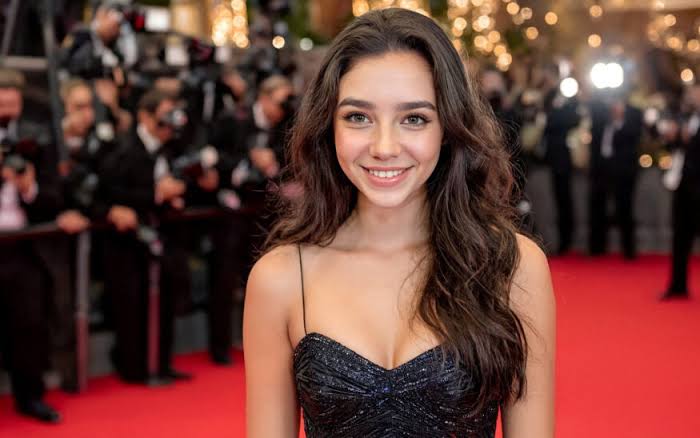
Tilly Norwood, an AI-generated actress. Image from Maryland Daily Record
And then there’s the stuff that makes the whole industry a little uneasy…an entirely AI-generated “actress” character called Tilly Norwood made headlines in 2025 for being pitched to studios as a genuine talent, and it was not exactly received warmly by working actors or animators, for reasons I don’t think I need to spell out to another character designer.
(This is going wild in China, with news reporting that actors and actresses are running out of jobs because their characters have been replaced with AI – to me this is hugely stupid – I want to watch real people act, not fake people being passed off as real people – pfft.)
So where does that leave you?
Honestly, in a better spot than the doom-scrolling version of this conversation suggests, as long as you treat AI as a tool in your kit rather than either your replacement or your enemy.
Clients still overwhelmingly want a human making the final creative decisions on brand identity, character personality, and art direction, and AI is very good at generating options and very bad at knowing which option actually serves the story.
Use it to speed up your initial ideas and concept sketches, your color exploration, maybe even a rough turnaround sheet you’ll refine by hand.
Don’t use it to replace the judgment clients are actually paying you for. And when you’re quoting a project, it’s fair to be upfront that some of your process now includes AI-assisted steps. Most clients don’t mind, as long as the final character still feels considered, original, and unmistakably made by you.
What I always tell my students: AI will never replace you, but people who know AI will always have an advantage over people who don’t. So jump on the gravy train, ladies and gentlemen, it’s always worthwhile learning an extra skill.
Conclusion: Freelance Character Design Rates
Setting freelance character design rates can be a bit tricky, but it’s an essential aspect of running your own business. In recent years, the demand for character design has been increasing, and it’s a great way to make a living doing what you love.
When it comes to setting your rates, the best way to do it is by researching the industry standard. You can find online resources like Upwork or 99designs to see what other designers are charging for their services. This will give you a good rule of thumb for setting your own rates.
One good thing to keep in mind is that your rates should reflect your experience and skill level. If you’re just starting, you might want to charge a bit less until you build up your portfolio. However, if you have a lot of experience and fine art skills, you can charge more for your services.
A lot of times, clients will ask for a flat rate for a project. In this case, you’ll need to estimate how many hours it will take you to complete the project and set your rate accordingly. You can also charge an hourly rate, which is a great option if the scope of the project is unclear.
When it comes to negotiating rates, it’s important to be confident in your skills and the value you bring to the project. Don’t be afraid to ask for what you’re worth, but also be willing to negotiate if necessary.
Setting and negotiating your freelance character design rates with a new client can be a bit overwhelming, but with these basic steps, you’ll be well on your way to running a successful online business.
Frequently Asked Questions

What is the typical salary range for a 2D character designer?
The average day rate for a freelance character designer can vary depending on factors such as years of experience, complexity of the project, and the client’s budget. According to Glassdoor, as of 2026, the average Character Designer salary in the USA is $72,753 per year, or roughly $35 per hour, with top earners reaching $133,137 annually. However, freelance rates can be lower or higher depending on the specific needs of the project.
How much should I charge for character design commissions?
The best way to determine how much to charge for character design commissions is to consider the amount of work involved and the going rates in the industry. A freelance illustrator or graphic designer may charge a flat fee for character design work or an hourly rate.
How much do artists usually charge for character design?
The amount that artists charge for character design can vary depending on factors such as the amount of time and effort required, the complexity of the project, and the artist’s level of experience. A good rule of thumb is to charge based on the value that the character design provides to the client. Some artists may charge a flat rate, while others may charge an hourly rate.
How much should I charge for a 3D character?
The cost of a 3D character can vary depending on factors such as the complexity of the character, the number of polygons required, and the amount of time and effort required. As of 2026, industry pricing guides put full 3D character production commonly between $1,000 and $10,000 or more, depending on realism level and technical complexity – cinematic or AAA-quality work can exceed that range substantially.
How much do artists charge for characters?
The amount that artists charge for characters can vary depending on factors such as the amount of time and effort required, the complexity of the project, and the artist’s level of experience. Some artists may charge a flat rate, while others may charge an hourly rate. It is important to have a complete understanding of the project requirements and the client’s budget before determining the price of the project.
Can you be a freelance character designer?
Yes, you can be a freelance character designer. Freelance work is a great way to gain experience and build your portfolio. It is important to have a clear idea of your pricing and the value that you provide to clients. The best option is to research the going rates in the industry and determine a fair price for your services. The Graphic Artists Guild Handbook and the Animation Guild Contracts and Gag Handbook are great resources for pricing and contracts in the animation and gaming industry.
What If I’m a CGI Artist?
CGI artists play an important role in bringing both simple characters and more complex three-dimensional characters to life. Whether working independently or as part of an animation studio, these professionals use advanced software to design characters that fit within specific color palettes and visual styles. For projects focused on a single character, CGI work often involves refining every detail, from facial expressions to intricate textures.
While simple characters might require less time to develop, creating a fully realised three-dimensional character demands significant expertise and precision, ensuring it aligns perfectly with the overall animation vision.
Final thought: If you want to be able to charge faster and come across as a professional, take up some courses – they’ll catapult you forward without much financial commitment required. Most courses are well vetted with distinguished coaches and come at affordable prices!